

A meter is one of the first big units students meet once they move past centimeters, and it quickly becomes the unit for meters that everything else in the metric system builds around. A 1 meter long object, like a guitar or a bench, gives students a real physical anchor for the meter scale, answering the common question of how big is a meter in a way that feels concrete rather than abstract. Because the meter connects so directly to length and distance, it shows up constantly in math class, from simple measuring activities to more advanced conversion problems.
Understanding meters means more than memorizing a number, it means building a genuine sense of scale, spatial awareness, and proportionality that students carry into real situations. Tools like a meter stick, a measuring tape, and a trundle wheel let students measure and estimate larger lengths and longer distances with confidence, while the base-10 structure of the metric system makes converting between centimeters, millimeters, and kilometers feel natural rather than confusing. This page breaks down what a meter is, how it connects to other units of measure, and how students can build a lasting, hands-on understanding of large-scale dimensions using the meter as their guide.
Understanding Meters in Mathematics
A meter is one of the most useful units of measure a student will ever learn. When someone asks how big a meter is, the simplest answer is that it sits right between small units like centimeters and large units like kilometers, which is exactly why the meter scale works so well for everyday measuring. A 1 meter long object is roughly the height of a kitchen counter or the width of a doorway, so students often have a built in sense of the unit before they even learn its name.
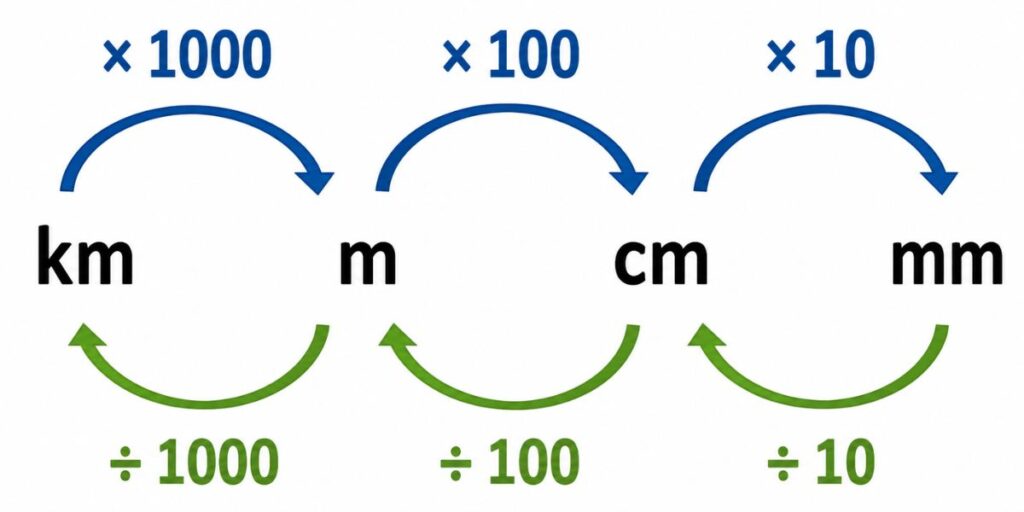
In the metric system, every unit for meters connects back to the same base-10 structure. One meter is equal to 100 centimeters, and it is also equivalent to 1,000 millimeters. Move in the other direction and 1,000 meters make a kilometer. Because the metric system is built entirely around powers of ten, converting between meters and other units is far simpler than converting between units like feet and yards in the customary system.
Teachers often introduce the meter as a benchmark unit of length, meaning it becomes the mental ruler students use to estimate other distances. Once a student truly understands the meter scale, they can look at a hallway and reasonably guess its length before ever picking up a measuring tape.
Why Is Understanding Meters Important?
Understanding meters gives students a foundation they will rely on across math, science, and daily life. A meter helps students:
Build a sense of scale. Learning a 1 meter length by heart gives students a mental benchmark for estimating larger lengths and longer distances without needing a tool in hand every time.
Strengthen spatial awareness. Working with meters builds proportionality and spatial awareness, helping students picture large-scale dimensions such as the size of a room or the length of a playground.
Apply measurement in real life. Meters show up constantly outside the classroom, from the height of a basketball hoop to the length of a football field, giving students authentic reasons to measure and estimate.
Reinforce metric conversions. Because a meter connects cleanly to centimeters, millimeters, and kilometers, practicing with meters strengthens a student’s overall comfort with the base-10 structure of the metric system.
Teaching Strategies to Develop Understanding of Meters
Helping students understand meters works best when hands-on activities, visual models, and abstract reasoning build on one another. Below are strategies teachers can use to develop a full and lasting understanding of the meter as a unit of length.
Explore Meters Through Hands-On Activities
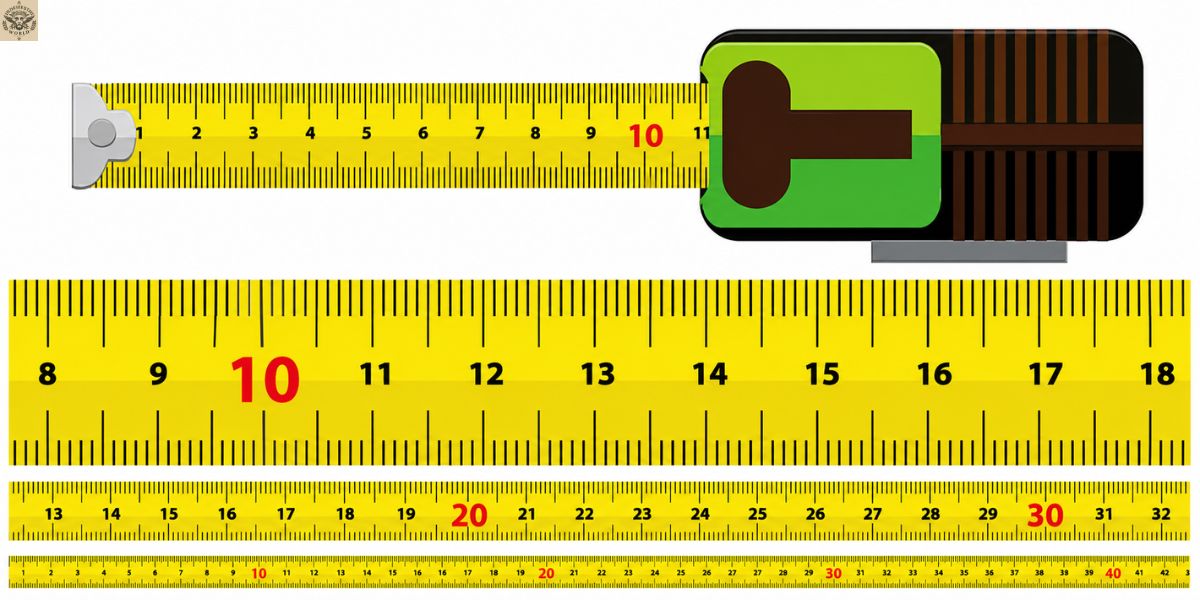
Before students can reason about meters on paper, they need to physically experience what a meter feels like. Handing students a meter stick, a measuring tape, or a trundle wheel lets them measure real objects and connect the abstract idea of a meter to something they can touch.
Try this activity: Around the Room. Give small groups a meter stick and a checklist of classroom items, a desk, a bookshelf, a window, and the classroom door. Ask students to measure and estimate whether each item is more than, less than, or about 1 meter long. Have them record their measurements and sketch each object next to its measurement, then discuss as a class which objects surprised them.
Read More: Area Model – Meaningful Math
Meters and Visual Models
Once students have measured with real tools, visual models help them organize and extend that experience. Charts, diagrams, and drawings let students revisit meters even without a measuring tape in hand, reinforcing what a meter actually looks like at scale.
Try this activity: Build a Meter Reference Chart. Have students create a poster comparing a meter to a centimeter, a millimeter, and a kilometer, using drawings and familiar objects for each. A guitar, a bench, or a countertop can represent something close to 1 meter long, while a fingernail can anchor the millimeter and a walk around the neighborhood can anchor the kilometer. This visual chart becomes a lasting reference point for the meter scale.
Meters and Abstract Reasoning
As students grow more comfortable measuring and visualizing, they are ready to reason about meters using numbers and symbols alone. This is where conversion and word problems come in, asking students to apply what they know about the base-10 structure of the metric system.
Example problems might include: How many centimeters are equal to 4 meters? If a hallway measures 12 meters, how many 3 meter long sections could fit inside it? A cyclist rides 2,500 meters. How many kilometers is that? Encouraging students to sketch a quick diagram or refer back to a real measurement while solving these problems keeps their reasoning grounded rather than purely mechanical.
Meters and Real-Life Applications
Meters are everywhere once students start looking, and connecting the unit to real situations makes the learning stick. Estimation challenges are a strong way to bring this to life.
Try this activity: Estimate and Check. Ask students to estimate the length of the school hallway, the distance across the playground, or the height of the gym’s basketball hoop, all in meters. After recording their estimates, have them measure the actual distance using a trundle wheel or measuring tape and compare their results. Conversations about why a meter works better than a centimeter for measuring a football field, or why a kilometer works better than a meter for measuring a running route, help students understand that unit of measure choices depend on the size of what is being measured.
These layered experiences, from hands-on measuring to visual models to abstract reasoning to real-life estimation, give students a well-rounded and durable understanding of the meter as a unit of length.
Meter Measurement
Meter measurement is the process of finding out how long something is by using the meter as the unit for meters. A student measures in meters the same way they would measure in any other unit, by lining a known length end to end along an object and counting how many times it fits. A meter stick, a measuring tape, or a trundle wheel are the most common tools used for this kind of measurement, and each one suits a different situation, from a flat classroom desk to a long, curving hallway.
Meter measurement becomes especially useful once students understand how a meter connects to the rest of the metric system. Because the system runs on a base-10 structure, converting a measurement in meters to centimeters or kilometers only involves shifting a decimal point rather than reaching for a completely different formula. This makes meter measurement a practical starting point for estimating larger lengths, comparing longer distances, and building a lasting sense of scale that carries into science and everyday life.
Metre or Meter
Metre or meter is really just a question of spelling rather than meaning, since both words describe the exact same unit of length. Countries that follow British English, such as the United Kingdom, Canada, and Australia, typically write meter, while American English uses meter. Either way, the unit of measure stays identical, with 1 meter length still equal to 100 centimeters and 1,000 millimeters no matter which spelling appears on the page.
This spelling split shows up across the metric system, not just with meter itself, since litre and liter follow the same pattern. For students, the useful takeaway is that metre or meter never changes the math, the conversion, or the size of the unit for meters being described. A meter stick made in London and one made in Chicago will both measure the same 1 meter long distance, even if the label on the box spells the word differently.
Meter in Physics
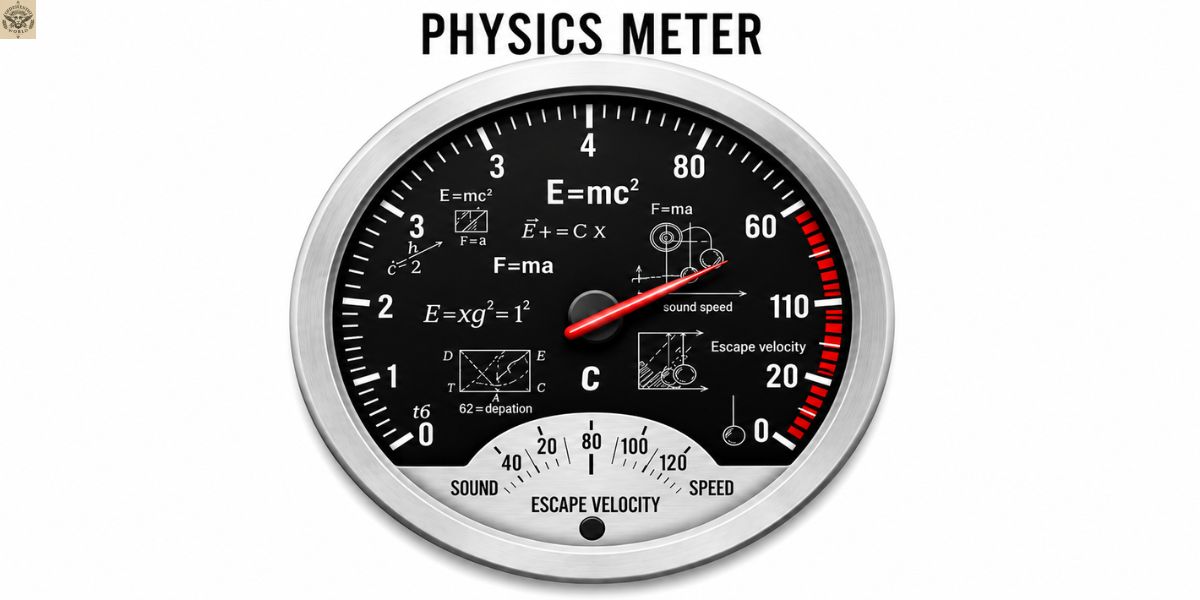
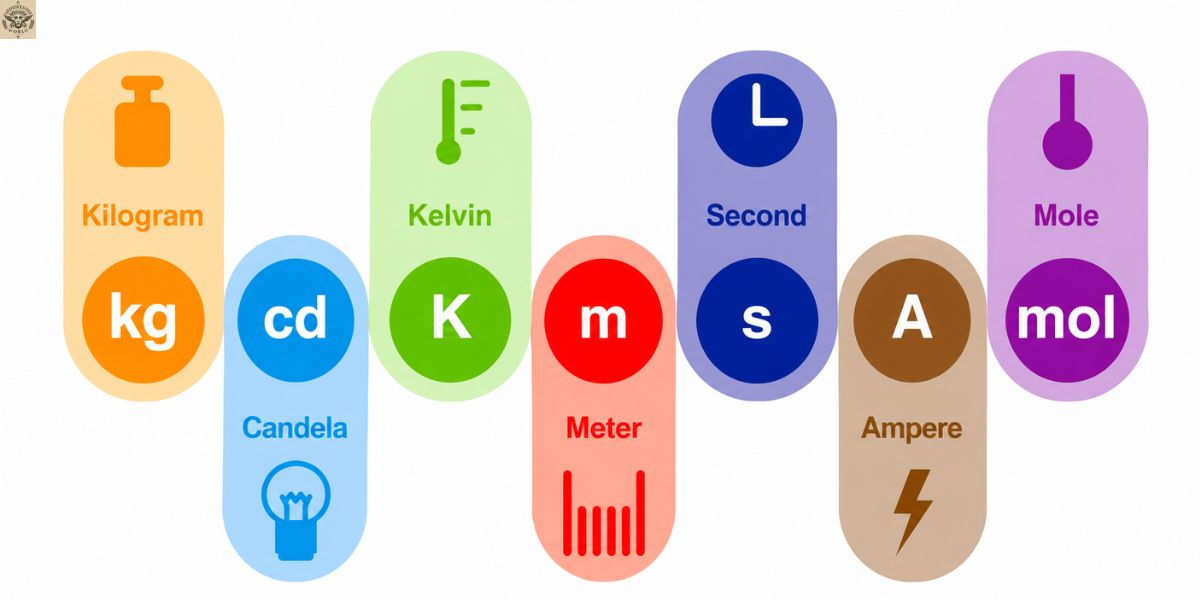
Meter in physics describes the official base unit of length within the International System of Units, and physicists depend on it to measure everything from the distance an object travels to the wavelength of a beam of light. Because physics deals with both enormous large-scale dimensions and incredibly tiny lengths, the meter also acts as an anchor point for related units, stretching up to the kilometer for astronomical distances and down to the millimeter for microscopic ones.
Inside a physics classroom, the meter appears constantly, whether students are calculating speed in meters per second or measuring the length of a pendulum’s swing. Recognizing how a meter connects to motion, time, and energy helps students see that this unit of length does more than describe something standing still, it also describes how far and how fast something moves through space.
Electrical Meter
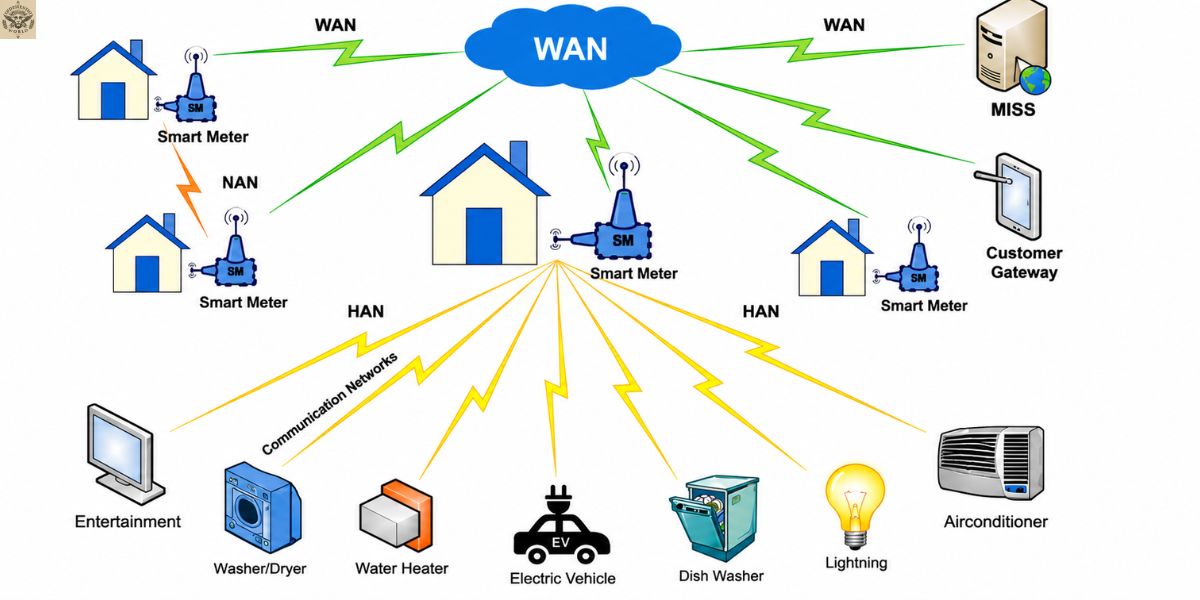
An electrical meter is a device installed in homes and buildings to measure how much electricity has been used over time, and it represents a completely different use of the word meter from the one tied to length. While a meter stick measures a 1 meter long distance, an electrical meter tracks energy consumption, usually recording it in kilowatt hours for billing purposes.
Even though an electrical meter has nothing to do with distance, the shared name is not a coincidence. In this context, meter simply refers to any measuring instrument built to track and record a quantity, whether that quantity happens to be length, electricity, water flow, or gas usage. Introducing students to this second meaning of meter helps them understand that one word can describe a unit of measure in one setting and a measuring device in another.
Meter Meaning
The meter meaning shifts depending on where and how the word is used, which makes it a genuinely interesting term to study. In math and everyday measurement, meter meaning centers on a fixed unit of length equal to 100 centimeters, used constantly to describe things like a doorway’s height or a football field’s length. This is the meters scale most students encounter first, and it answers the common question of how big is a meter in a way that feels concrete and easy to visualize.
Outside of pure measurement, meter can also refer to a recording device, as with an electrical meter, or to a rhythmic pattern in music and poetry. Helping students notice these different layers of meter meaning builds strong vocabulary awareness alongside their math skills, since the same short word can describe length, electricity, or rhythm depending entirely on its context.
Meter in Poetry

Meter in poetry describes the rhythmic pattern created by stressed and unstressed syllables across a line of verse. A poem built with a steady meter, such as iambic pentameter, repeats a consistent pattern, in that case five pairs of unstressed and stressed syllables per line, giving the writing a musical, predictable rhythm when read aloud.
Meter in poetry has nothing to do with length or the metric system, yet the shared name still offers a meaningful teaching connection. One kind of meter measures physical distance along a path, while the other measures rhythm along a line of words, and both rely on a repeating, countable unit to make that measurement possible. Pointing out this parallel can help older students appreciate how the same word gets borrowed to describe very different kinds of pattern and measurement.
Meter Definition in Physics
The formal meter definition in physics has evolved considerably as measurement technology has advanced. Today, scientists define the meter using the speed of light, describing it as the distance light travels through a vacuum during a fixed, extremely brief fraction of a second. This modern approach replaced earlier versions of the meter that relied on a physical metal bar stored in France as the official standard.
This precise meter definition in physics matters because it lets scientists anywhere in the world reproduce the exact same 1 meter length without needing access to one specific object. For students, the practical takeaway stays simple despite the technical definition, the meter they use with a meter stick or a measuring tape in class still equals exactly 100 centimeters and 1,000 millimeters, regardless of how that unit is formally defined at the scientific level.
Meter Tool
A meter tool is any instrument built to measure length in meters, and classrooms usually rely on a small set of dependable options. A meter stick remains the most familiar meter tool, offering a rigid, straight edge marked off in centimeters and millimeters along its full 1 meter length. A measuring tape works better for flexible or curved surfaces, such as wrapping around a tree trunk or tracing the edge of a winding path, while a trundle wheel clicks once for every meter it rolls, making it ideal for longer distances like a running track.
Choosing the right meter tool depends entirely on what needs to be measured and how large that space is. A meter stick suits small, straight objects like a desk, a doorway, or a bench, while a trundle wheel suits large-scale dimensions like the perimeter of a playground or the length of a hallway. Teaching students to match the meter tool to the task builds practical measurement sense that goes hand in hand with their conceptual understanding of the meter itself.
Frequently Asked Questions
Is it meter or meter?
Both are correct, it just depends on where you are. American English uses meters, while British English uses meters.
What is another word for meter?
People often just say “metre” or “metric metre,” since there isn’t a true synonym, though “unit of length” describes the same idea more generally.
Is it 100 meters or meters?
It’s 100 meters in American English and 100 metres in British English, both meaning the exact same length.
Why is 1 metre 1 metre?
A metre is defined as the distance light travels in a vacuum during a tiny, fixed fraction of a second, giving it one exact, unchanging length worldwide.
What are 5 synonym words?
Close alternatives include metre, unit of length, linear measure, length unit, and metric unit, though none match “meter” exactly.
Conclusion
The meter carries far more meaning than a single classroom lesson can capture, and that is exactly what makes it worth exploring from every angle. A 1 meter length works the same whether it shows up on a meter stick in math class, in a physics equation built on the speed of light, on the display of an electrical meter, or even in the rhythm of a favorite poem. Once students grasp the meter scale and see how a meter converts smoothly into centimeters, millimeters, and kilometers, they stop seeing measurement as a rigid rule and start using it as a flexible, everyday skill.
Whether someone asks how big a meter is for the first time or already reaches for a measuring tape without thinking twice, the unit for meters stays consistent across every context it touches. Estimating a hallway’s length, converting a running track’s distance, reading an electrical meter, or scanning a line of poetry all draw on the same underlying idea, a meter measures something real and repeatable. Building that connection early gives students a unit of measure they will keep using long after the lesson ends.

