


Half past is one of the first phrases kids use when they start telling time, and it simply means 30 minutes have passed since the last hour. On an analog clock, the minute hand points straight to the 6 while the hour hand rests halfway between two numbers, showing that the hour hasn’t fully arrived yet. Half past 4, half past 7, half past 3 on a clock, these all follow the same pattern, and once a student spots it, reading any half past time becomes second nature.
This small phrase actually opens the door to bigger math ideas. Half past connects clock hands, clock face positions, and a fraction of an hour thinking all at once, since 30 minutes is exactly half of 60 minutes. It also sets the stage for related concepts like quarter past, quarter to, and elapsed time, making half past one of the most useful building blocks in early time to the half hour learning.
Why Is Understanding Half Past Important?
Half past does more than teach kids to read a clock. It quietly introduces fractions, since 30 minutes is half of 60 minutes, and that connection between time-telling and fraction of an hour thinking sticks with students well beyond math class. Once a child understands that half past means half of the hour has gone by, ideas like quarter past and quarter become much easier to teach, because the same fraction reasoning applies.
Half past also builds fluency moving between formats. A student who can say “4:30” and “half past 4” and know they mean the same thing has real flexibility with time-telling skills, not just memorized facts. That flexibility matters because half past shows up constantly outside the classroom. Recess starting, a favorite show coming on, a ride arriving all involve half past, so mastering it gives students a genuinely useful piece of math vocabulary.
Teaching Strategies to Build Understanding of Half Past
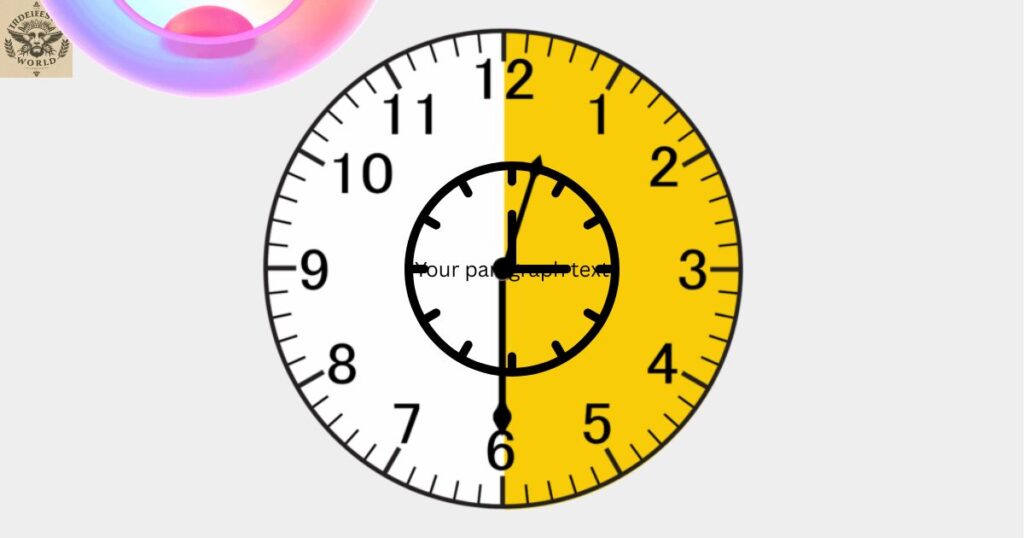
Teaching half past works best when students get hands-on with a real clock instead of just memorizing digital times. Modeling time, matching digital and analog time, and connecting half past to daily routines and elapsed time all build real conceptual understanding, not just rote answers.
Modeling and Matching Half Past Times
Hand students an analog clock model and let them move the hands themselves. Show them how to set half past 7 by moving the hour hand halfway between 7 and 8 and the minute hand to the 6. Then step back and let students practice setting their own clocks to different half past times, checking both hands each time. A simple question, “Where is the hour hand pointing?”, draws attention to the exact detail that trips up so many learners.
Matching activities reinforce the same idea from another angle. Give students a set of cards: some showing digital times like 6:30, others showing analog clock faces set to half past. Ask students to match each digital time to its clock face and explain how they know the two represent the same moment. This kind of hands-on learning turns an abstract concept into something students can see, touch, and check for themselves.
Connecting Half Past to Daily Routines and Elapsed Time
Point out the moments in the school day that land on half past the hour, such as recess beginning at 10:30 or lunch starting at 12:30. Pull out a classroom clock in the moment and let students see exactly how the hands look at half past, rather than saving all the discussion for a single time-telling lesson.
Elapsed time questions push this thinking further. Try this one: “If an activity starts at 2:00 and lasts 30 minutes, what time will it end?” That question asks students to link the idea of half an hour to the phrase half past and to the actual clock positions on the face.
Working backward matters too. Ask, “Recess ends at half past 10. How many minutes of recess do we have left?” A question like that gives students a real reason to work out what half past means in terms of minutes remaining, not just minutes already passed.
Practicing Half Past Alongside Quarter Past and Quarter To

Once half past feels solid, bring in quarter past and quarter to for comparison. Ask students to set a clock to half past 6, then quarter past 6, then quarter to 7, and describe what changes on the clock face each time. Comparing half past directly against quarter past and quarter helps students notice that all three phrases describe a fraction of the hour, just different fractions, landing in different clock positions.
Common Misconceptions and Challenges About Half Past
Many students expect the hour hand to point straight at a number, so at half past 5 they may not recognize the time because the hour hand sits between the 5 and the 6 instead of resting on either one. Practicing with analog clock models, and talking openly about where the hour hand falls, helps students get comfortable reading this in-between position.
Students often struggle just as much with the minute hand. Seeing the minute hand point to the 6 doesn’t automatically mean 30 minutes to a young learner. Skip counting by 5s around the clock face, touching each number while counting aloud, helps students see why the 6 represents 30 minutes and not simply six minutes. This gap between the number printed on the clock and the number of minutes it actually stands for causes confusion well beyond half past, so it’s worth revisiting often.
Younger learners also sometimes fail to connect the spoken phrase half past with its digital equivalent. Saying “It’s half past 3, which is the same as 3:30,” while showing the analog and digital clock side by side, builds that association over repeated practice.
Half Past in Everyday Language
Half past isn’t just a math class phrase. It’s part of everyday language. People say half past 4, half past 7, or half past 3 on a clock without a second thought, whether they’re setting an alarm, catching a bus, or telling a friend when to meet up. Because half past appears so often outside of school, giving students plenty of hands-on learning with real clocks, real schedules, and real conversation pays off far beyond the math dictionary definition.
Half Past or Half Past
The phrase “half past” tells students that the minute hand has traveled exactly 30 minutes since the hour began, landing directly on the 6. Reading a clock this way helps young learners connect number sense with real-world time, since half past always marks the midpoint between one hour and the next.
Teachers repeat this phrase often during early time-telling lessons so students recognize the pattern instantly. Once a student hears “half past,” they immediately picture the minute hand pointing straight down, making clock reading feel natural instead of confusing.
Half Past, Quarter Past
Half past and quarter past work as a pair of time expressions that build directly on fraction concepts students already know. Half past marks 30 minutes after the hour, while quarter past marks just 15 minutes, and comparing the two helps students see how an hour splits into equal parts.
Teaching these terms together strengthens both number sense and fraction understanding at the same time. Once students master quarter past and half past side by side, they move confidently into related phrases like quarter to and twenty past.
Half Past Meaning
Half past means that 30 minutes have passed since the top of the hour, placing the minute hand directly on the 6 of an analog clock. This simple definition gives students a clear mental picture they can apply to any hour on the clock face.
Understanding the half past meaning builds a strong foundation for reading both analog and digital time accurately. Once students grasp this concept, phrases like “half past 6” or “half past 9” become automatic rather than something they need to calculate every time.
Half Past Tense
“Half past” functions as a fixed time expression rather than a verb tense, though many English learners search this phrase while studying grammar alongside time vocabulary. It simply describes a moment in time, always following the pattern “half past” plus the hour number.
Teachers clarify this distinction early so students don’t confuse time expressions with grammatical tenses in English lessons. Recognizing “half past” as a time phrase, not a tense, helps learners use it correctly in both math and language contexts.
Half Past 11
Half past 11 means the minute hand sits on the 6 while the hour hand rests between 11 and 12, showing that 30 minutes have passed since 11 o’clock began. Students often practice this specific time because it sits close to the transition into a new hour, testing their understanding of clock positions.
Recognizing half past 11 helps students build confidence reading times near the top of the clock cycle. Practicing this example alongside other half past times strengthens their overall grasp of analog clock reading.
Must Read This Article……….mm-math-terms-ordinal-number
Half Past 1 on a Clock
Half past 1 on a clock shows the hour hand resting between 1 and 2 while the minute hand points straight down at the 6. This example gives students an easy visual anchor early in their clock-reading practice, since the numbers involved stay small and familiar.
Teachers often start time lessons with examples like half past 1 before moving to bigger hours. Mastering this simple case builds the number sense students need to read any half past time with ease.
Half Past 3
Half past 3 places the hour hand between 3 and 4 while the minute hand sits directly on the 6, marking 30 minutes since 3 o’clock. This example works well for practice because students can compare the position of the hour hand to a number they already recognize clearly.
Repeating examples like half past 3 helps students internalize the halfway pattern across every hour of the clock. Once they master a few individual hours, students apply the same logic to any half past time with real confidence.
Half Past 1
Half past 1 tells students that 30 minutes have passed since 1 o’clock, with the minute hand pointing straight down and the hour hand resting just past the 1. This straightforward example often serves as one of the first half past times students practice, since the hour number stays simple.
Building comfort with half past 1 gives students a reliable reference point for tackling other, less familiar hours. This early practice strengthens their overall number sense and prepares them to read any analog clock accurately.
Frequently Asked Questions
What is half past time?
Half past time describes any moment that falls 30 minutes after the hour, marked by the minute hand pointing to the 6 on an analog clock. It’s simply another way of saying, for example, 5:30 or 8:30.
What is half past 4?
Half past 4 means 4:30, the moment when 30 minutes have passed since 4 o’clock. On a clock face, the hour hand sits between 4 and 5 while the minute hand points to the 6.
What is half past 7 PM?
Half past 7 PM means 7:30 in the evening. The hour hand rests between 7 and 8, and the minute hand marks the half hour by landing on the 6.
How do you say UK time?
In UK English, people often say the hour first using phrases like half past, quarter past, and quarter to, so 4:30 becomes “half past 4” instead of “four thirty.”
What is called British time?
British time usually refers to this same style of spoken time telling, where people say “half past,” “quarter past,” and “quarter to” rather than reading the digits straight off a digital clock.
Conclusion
Half past is one of those small phrases that carries a lot of math inside it. Once students learn that the minute hand pointing to the 6 always means 30 minutes, and that the hour hand sitting between two numbers always means the time is in between hours, they can read any half past time with confidence. That same idea connects straight to fractions, since half past is really just half of 60 minutes, and it sets kids up to understand quarter past and quarter to just as easily.
Beyond the classroom, half past shows up everywhere, from British time and everyday conversation to bus schedules and daily routines. Teaching it through hands-on practice, real clocks, and simple questions builds a skill that sticks, not just a fact kids memorize for a test. By the time a student can say “half past 7” and set a clock to match it without thinking twice, they’ve genuinely mastered telling time.

