

Understanding asset meaning is important in accounting, business, investing, and personal finance. In simple terms, an asset is something valuable that a person, company, or organisation owns or controls. It can provide a financial benefit now or in the future.
The word asset can describe many different things. Cash, property, vehicles, machinery, investments, patents, trademarks, and software can all be assets. Some assets have a physical form, while others exist as legal rights or valuable ideas.
For people in the UK and USA, understanding asset meaning can make financial terms easier to understand. It can also help when reading a balance sheet, calculating net worth, comparing investments, or learning how businesses manage their resources.
What Is the Asset Meaning?
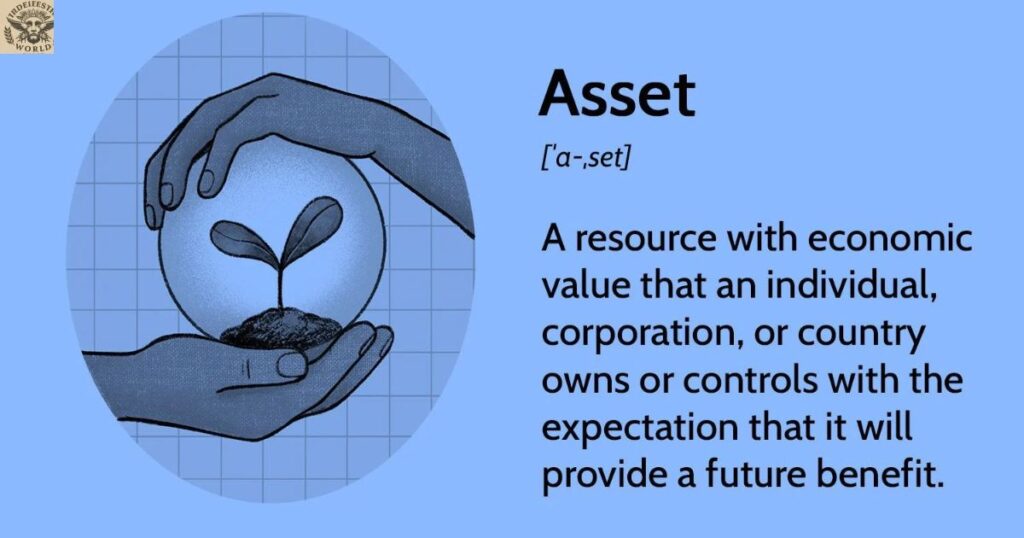
The asset meaning refers to a valuable resource that is owned or controlled by an individual, business, or organisation. The resource is expected to provide some form of future economic benefit.
For example, a company may own a building that it uses for business operations. It may also own a patent that protects an invention. Both resources can have value even though one is physical and the other is not.
In simple accounting terms, the asset meaning focuses on resources that can contribute economic value. Assets can help a business generate revenue, support daily operations, reduce costs, or provide other future benefits.
Asset Definition in Simple English
The simple asset meaning is “something valuable that is owned or controlled and can provide a future benefit.” A person can have personal assets, while a company can have business assets.
For example, money in a savings account is an asset because it has financial value. A business computer can also be an asset if it is used to support business activities over time.
The asset meaning becomes easier to understand when looking at everyday examples. A house, car, savings, investment, machine, trademark, or patent can all represent different types of assets.
What Is an Asset in Accounting?
In accounting, an asset is generally a resource controlled by an entity as a result of past events and from which future economic benefits are expected. Assets are reported on financial statements when the relevant accounting requirements are met.
The asset meaning in accounting is therefore more specific than the everyday use of the word. Not everything that seems valuable is automatically recorded as an accounting asset. Recognition depends on applicable accounting standards and the circumstances.
Businesses usually classify assets according to their nature and expected use. Common categories include current assets, non-current assets, tangible assets, intangible assets, and financial assets.
Types of Assets
There are several important types of assets used in accounting and finance. The classification helps people understand how a resource is used and how quickly it may be converted into cash.
The main categories include current assets, non-current assets, fixed assets, tangible assets, intangible assets, financial assets, and operating assets. Each category has a different role within personal finance or business accounting.
Current Assets
Current assets are resources that a business expects to use, sell, or convert into cash within a relatively short period, commonly within one year or its normal operating cycle.
Examples include cash, accounts receivable, inventory, and certain short-term investments. Current assets are important because they help businesses pay everyday expenses and manage short-term financial needs.
Read More: Altruism Meaning: Definition, Examples, Types, Psychology & Importance
Non-Current Assets
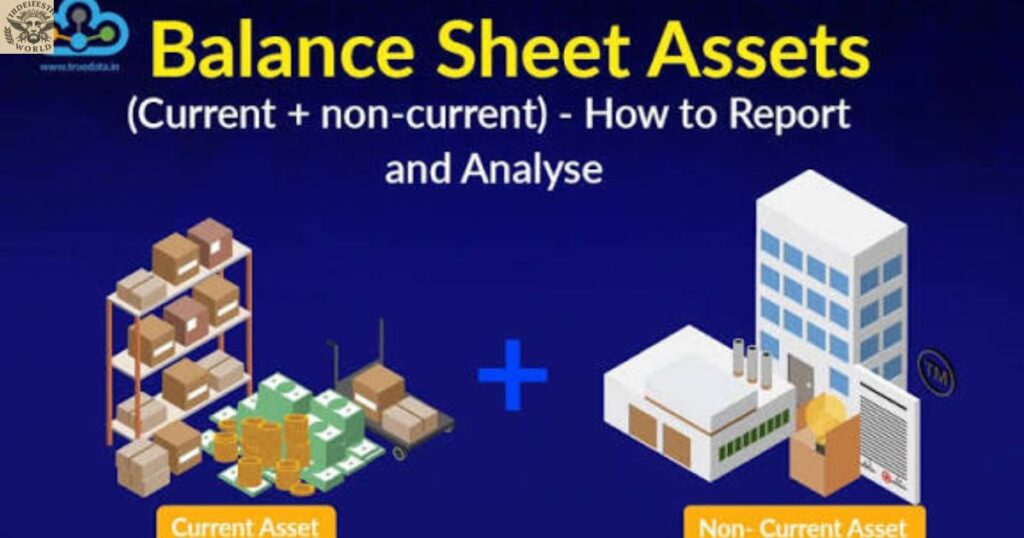
Non-current assets are resources that a business expects to hold or use for a longer period. They are not normally purchased for immediate resale or converted into cash quickly.
Examples include buildings, machinery, vehicles, long-term investments, patents, and certain forms of software. These resources can support business activities for several years.
Fixed Assets
Fixed assets are generally long-term physical resources used in business operations. They are often called property, plant and equipment, or PP&E, depending on the accounting context.
Examples include factories, office buildings, machinery, computers, furniture, and company vehicles. Fixed assets can help a business produce goods or provide services over an extended period.
Tangible Assets Meaning
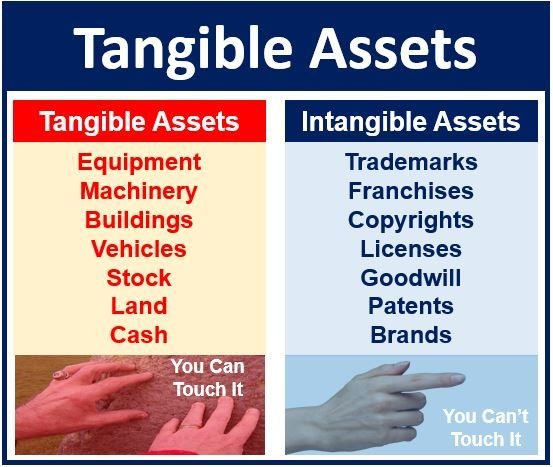
Tangible assets are physical resources that can normally be seen and touched. They have a physical form and can provide value through their use, ownership, or ability to support business activities.
Common examples include land, buildings, vehicles, machinery, furniture, computers, and equipment. A manufacturing company may depend heavily on tangible assets such as factories and production machines.
Understanding tangible assets is an important part of asset meaning because these resources are often visible and easier to identify. However, physical assets are only one part of a company’s overall resources.
Intangible Assets Meaning
Intangible assets are valuable resources that do not have a physical form. Their value can come from intellectual property, legal rights, technology, contracts, brands, or other non-physical resources.
Examples include patents, copyrights, trademarks, licences, certain software, and other recognised intangible resources. A technology company, for example, may have valuable software and patents even though these resources cannot be physically touched.
The asset meaning therefore includes both physical and non-physical resources. A company can have substantial value in intangible assets even when it owns relatively few buildings or machines.
Tangible vs Intangible Assets
The main difference between tangible and intangible assets is physical form. Tangible assets have a physical presence, while intangible assets do not.
| Feature | Tangible Assets | Intangible Assets |
| Physical form | Yes | No |
| Can I be touched? | Yes | No |
| Examples | Buildings, land, machines, vehicles | Patents, trademarks, copyrights, software |
| Main source of value | Physical use or ownership | Rights, knowledge, technology or brand value |
| Common business role | Production and operations | Innovation, branding and intellectual property |
| Accounting treatment | Often depreciated over useful life | Often amortised when applicable |
| Example | Company delivery van | Company trademark |
Both types are important when understanding asset meaning. A manufacturing company may rely heavily on physical assets, while a technology or media company may depend more on intangible assets.
Examples of Assets
Everyday examples make asset meaning much easier to understand. Individuals may own houses, cars, savings, investments, and other valuable resources.
Businesses can have a much wider range of assets, including cash, inventory, equipment, buildings, accounts receivable, intellectual property, and investments.
Some common examples are:
- Cash: Money available for personal or business use.
- Property: Land, houses, offices, or commercial buildings.
- Vehicles: Cars, trucks, vans, and other business vehicles.
- Inventory: Products held for sale.
- Machinery: Equipment used in production.
- Investments: Financial resources expected to provide returns.
- Patents: Legal rights protecting inventions.
- Trademarks: Protected names, logos, or brand identifiers.
- Copyrights: Rights protecting original creative works.
- Software: Technology that provides business or commercial value.
Asset Meaning With Simple Examples
Consider a person who has $20,000 in savings. The money is an asset because it has financial value and can be used in the future.
Now consider a small business that owns a delivery van. The van is an asset because it has value and supports business activities. If the same business owns a registered trademark, that trademark may also represent an intangible asset.
These examples show why asset meaning is broader than simply “money.” An asset can be physical, financial, technological, or based on recognised legal rights.
Personal Assets
Personal assets are valuable resources owned by an individual or household. They can include cash, savings accounts, property, vehicles, investments, and certain valuable rights.
For example, a person’s house may be a personal asset. A retirement investment account may also be a financial asset. The exact accounting and tax treatment can vary depending on the asset and jurisdiction.
Knowing the asset meaning can help people understand their personal financial position. By listing assets and liabilities, a person can estimate their net worth.
Business Assets
Business assets are resources owned or controlled by a company and used to support its activities or provide future economic benefits.
A business may have cash, inventory, machinery, buildings, vehicles, accounts receivable, patents, trademarks, and software. The combination depends on the industry and business model.
For example, a restaurant may have kitchen equipment and property, while a software company may have valuable intellectual property and technology. Both businesses have assets, but their asset structures can look very different.
Financial Assets
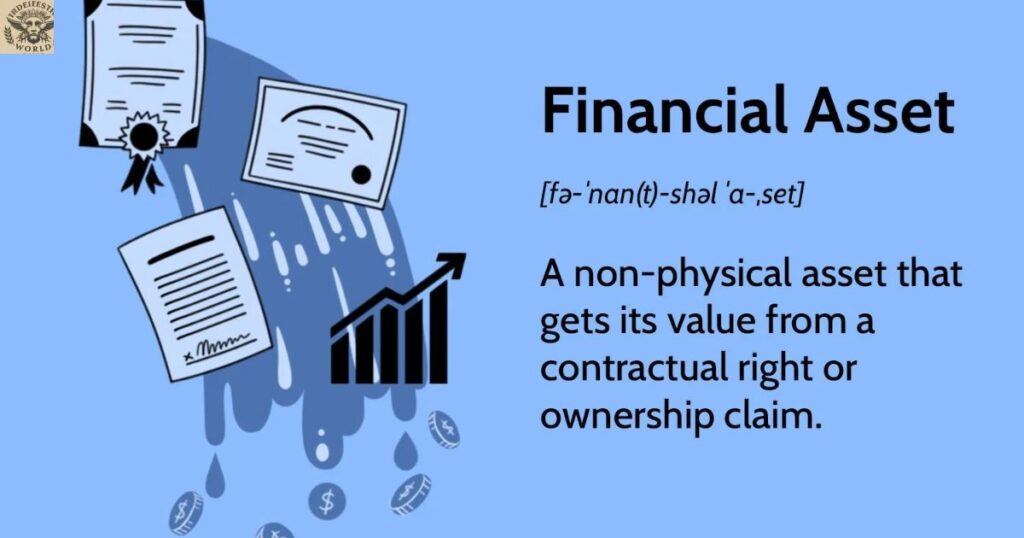
Financial assets represent value through financial claims, ownership interests, or contractual rights. Examples can include shares, bonds, bank deposits, and certain investment products.
Unlike a physical machine or building, a financial asset does not necessarily provide value through physical use. Instead, it may provide income, ownership rights, or a claim on future cash flows.
Financial assets are an important part of asset meaning because individuals and businesses can hold significant financial resources without owning large amounts of physical property.
Operating Assets
Operating assets are resources used in the normal activities of a business. They can include buildings, equipment, computers, vehicles, inventory, and other resources needed for daily operations.
For example, a bakery may use ovens, refrigerators, counters, delivery vehicles, and inventory as operating resources. A technology company may use computers, servers, software, and intellectual property.
The role of operating assets helps explain asset meaning from a practical business perspective. These resources allow companies to produce products, deliver services, and serve customers.
Asset vs Liability
An asset and a liability have opposite roles in basic accounting. An asset is a valuable resource, while a liability is an obligation that a person or business owes to another party.
For example, cash in a bank account is an asset. A business loan is a liability because the company has an obligation to repay the lender.
| Asset | Liability |
| Valuable resource | Financial obligation |
| Can provide future benefits | Requires future settlement |
| Examples: cash, property, inventory | Examples: loans, accounts payable |
| Appears in assets section | Appears in liabilities section |
This distinction is essential for understanding asset meaning and reading financial statements.
Asset vs Expense
An asset is not the same as an expense. An asset can provide benefits over a period of time, while an expense generally represents a cost associated with goods or services consumed during a period.
For example, buying a machine for long-term business use may result in recognition of an asset. Paying a monthly electricity bill is generally an expense because the electricity service has been consumed.
Understanding the difference helps explain why not every payment made by a business is immediately recorded as an expense.
Asset vs Income
An asset and income also have different meanings. An asset is a resource with value, while income represents earnings or economic benefits generated during a period.
For example, a company building can be an asset. Rent received from leasing part of the building can be income. The building remains a resource, while the rent represents earnings generated from its use.
Assets on a Balance Sheet
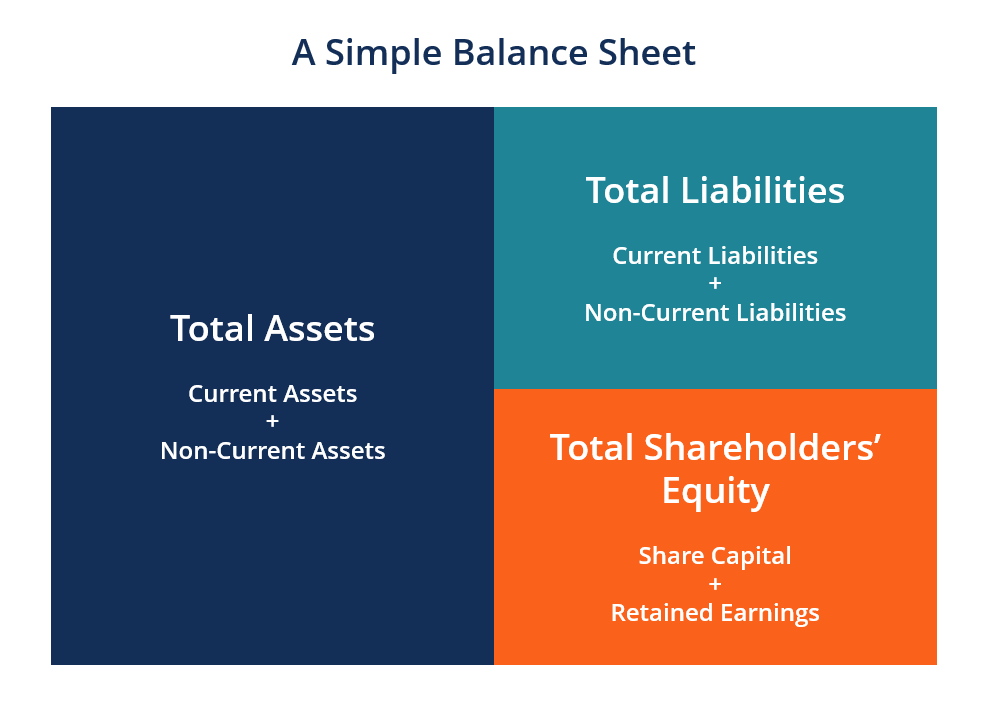
A balance sheet provides a snapshot of a company’s financial position at a particular date. Assets are shown alongside liabilities and equity.
The basic accounting equation is:
Assets = Liabilities + Equity
For example, if a business has total assets of $100,000 and liabilities of $40,000, its equity would be $60,000 under the basic accounting equation.
The balance sheet is one of the best places to see how asset meaning is applied in real business accounting.
Why Are Assets Important?
Assets are important because they can help individuals and businesses build wealth, generate income, operate efficiently, and meet future financial needs.
For businesses, assets can support production, sales, customer service, technology, administration, and investment activities. For individuals, assets can contribute to financial security and net worth.
A strong understanding of asset meaning can therefore help students, business owners, investors, and anyone learning personal finance.
How Assets Create Value
Different assets create value in different ways. A machine can help manufacture products. Inventory can be sold to customers. A building can support business operations or generate rental income.
Intangible assets can also create significant value. A patent can protect an invention, while a trademark can help distinguish a company’s products. Software can improve efficiency or support an entire digital business model.
Asset Meaning in the UK and USA
The basic asset meaning is used in both the UK and USA, although accounting rules can differ depending on the reporting framework used by a business.
Many UK businesses use IFRS Accounting Standards, while companies reporting under US accounting rules commonly use US GAAP. Specific rules for recognising, measuring, depreciating, or amortising assets can therefore vary.
For readers in the UK and USA, the general idea remains the same: an asset represents a resource that can provide economic value, subject to the applicable accounting rules.
Asset Meaning in Personal Finance
In personal finance, asset meaning usually refers to valuable resources owned by an individual or household. These resources may contribute to wealth and financial security.
Examples include savings, investments, property, retirement accounts, and vehicles. Some assets may increase in value, while others may lose value over time.
A simple way to calculate net worth is:
Net Worth = Total Assets − Total Liabilities
For example, if someone owns assets worth $200,000 and has liabilities of $80,000, the person’s net worth is $120,000.
Common Asset Examples in Everyday Life
The easiest way to understand asset meaning is through familiar examples. A savings account contains money that belongs to the account holder, making it a financial resource.
A house can have significant financial value. A car can also be an asset because it has ownership value and provides a useful service. A business laptop may be an asset when it is used for work over time.
| Asset Example | Type | Simple Explanation |
| Cash | Current/financial asset | Available for spending |
| House | Tangible asset | Physical property with value |
| Car | Tangible asset | Physical resource with value |
| Inventory | Current asset | Products available for sale |
| Machine | Fixed/tangible asset | Used for production |
| Patent | Intangible asset | Protects an invention |
| Trademark | Intangible asset | Identifies a brand |
| Copyright | Intangible asset | Protects original work |
| Shares | Financial asset | Represent an investment interest |
| Software | Intangible asset | Provides technological value |
Are All Valuable Things Assets?
Not every valuable item is automatically recognised as an accounting asset. Accounting standards have specific requirements for recognition and measurement.
For example, a company’s reputation may have significant real-world value. However, internally developed reputation is not necessarily recognised as a separate asset on the balance sheet.
This is an important point when studying asset meaning. Everyday value and accounting recognition are not always identical.
How Assets Affect Business Value
A company’s assets can contribute to its ability to operate and generate future economic benefits. Physical resources can support production, while intangible resources can support innovation, branding, and technology.
Investors and analysts often examine assets alongside liabilities, revenue, expenses, cash flow, and equity. No single category provides a complete picture of a company’s financial position.
Frequently Asked Questions :
What is the simple asset meaning?
The simple asset meaning is something valuable that a person or business owns or controls and expects to provide a future benefit.
What are the main types of assets?
Common types include current assets, non-current assets, fixed assets, tangible assets, intangible assets, financial assets, and operating assets.
What is the difference between tangible and intangible assets?
Tangible assets have a physical form, such as buildings and machinery. Intangible assets have no physical form, such as patents, trademarks, copyrights, and certain software.
Is cash an asset?
Yes. Cash is generally a current financial asset because it represents a resource that can be used to pay expenses or meet financial obligations.
Is a house an asset?
A house can be a personal asset because it has financial value. Its accounting treatment depends on ownership, purpose, and the applicable accounting rules.
Conclusion
The asset meaning is based on the idea of a valuable resource that a person, business, or organisation owns or controls. Assets can include cash, property, vehicles, investments, machinery, inventory, patents, trademarks, and software.
The most important distinction is between tangible and intangible assets. Tangible assets have a physical form, while intangible assets do not. Understanding both categories makes accounting and financial information easier to understand for readers in the UK, USA, and other countries.

