

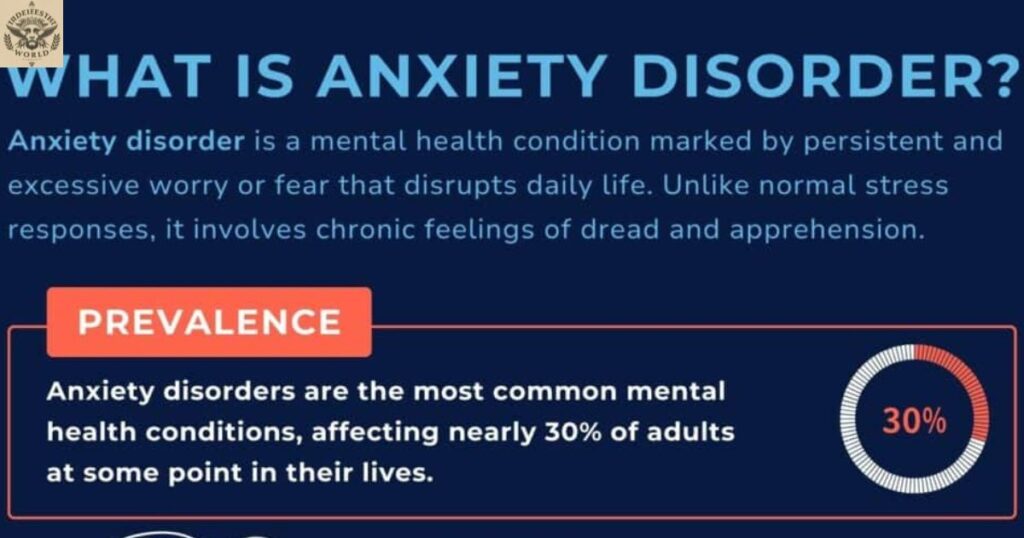
Anxiety meaning refers to feelings of worry, nervousness, fear, uneasiness, or concern about something that may happen. Almost everyone experiences anxiety from time to time, especially before an exam, job interview, important decision, or stressful event. A small amount of anxiety can be a normal response to pressure or uncertainty.
However, anxiety can become a bigger concern when the feelings are frequent, difficult to control, or start interfering with everyday life. Anxiety can affect thoughts, emotions, physical sensations, sleep, concentration, and behavior. It can sometimes happen even when there is no immediate danger or clear reason for the worry.
In this guide, the meaning of anxiety is explained in simple English with common signs, physical and emotional symptoms, possible causes, types of anxiety, anxiety vs. stress, and everyday examples. The goal is to help readers understand the term without using a diagnosis based only on symptoms.
What Does Anxiety Mean?
Anxiety means a feeling of worry, fear, nervousness, or uneasiness about a possible problem, danger, or uncertain situation. It can involve both the mind and body. For example, a person may worry about an upcoming test while also experiencing a faster heartbeat, tense muscles, or difficulty relaxing.
Anxiety is not always a mental disorder. Normal anxiety can happen before an important event and may settle after the situation passes. A clinical anxiety disorder involves more persistent or excessive anxiety that can interfere with daily activities, relationships, work, or school.
Anxiety Meaning in Simple English
In simple English, anxiety means feeling very worried, nervous, afraid, or uneasy about something that might happen. It can be connected to a real situation, such as financial pressure, an examination, or a difficult conversation.
Sometimes anxiety can also appear when there is no immediate threat. A person may feel that something bad could happen even though there is no clear danger at that moment. This is one reason anxiety can feel confusing or difficult to explain.
Simple definition:
Anxiety = a feeling of worry, fear, nervousness, or uneasiness about a possible threat or uncertain situation.
Anxiety Definition
The anxiety meaning can be understood as the body’s and mind’s response to perceived stress, uncertainty, or possible danger. The National Institute of Mental Health explains that anxiety can occur even when there is no current threat, while anxiety disorders involve more than temporary worry or fear.
Anxiety can involve thoughts, feelings, physical sensations, and changes in behavior. Someone may repeatedly think about a possible problem, feel tense, have trouble sleeping, avoid a situation, or notice physical symptoms such as sweating or a faster heartbeat.
| Term | Simple Meaning | Example |
| Anxiety | Worry, fear, nervousness, or uneasiness | Feeling nervous about an interview |
| Anxiety symptoms | Signs that can happen with anxiety | Sweating, tension, racing heart |
| Anxiety disorder | A condition involving persistent or excessive anxiety | GAD or social anxiety disorder |
| Stress | Response to an external pressure or situation | Stress before an exam |
| Panic attack | Sudden intense fear or discomfort | Sudden racing heart and breathlessness |
| Worry | Repeated thoughts about possible problems | Worrying about finances |
| Nervousness | Temporary feeling of tension or concern | Nervousness before speaking publicly |
What Are the Simple Symptoms of Anxiety?
Simple anxiety symptoms can affect the body, thoughts, emotions, and behavior. Common physical signs include a faster or more noticeable heartbeat, sweating, shaking, dizziness, headaches, stomach problems, nausea, muscle tension, and breathlessness.
Mental and behavioral signs can include excessive worry, feeling restless or on edge, difficulty concentrating, irritability, trouble relaxing, sleep problems, and avoiding situations that create fear. Having one or more of these symptoms does not automatically mean a person has an anxiety disorder.
Common Anxiety Symptoms Table
| Type | Simple Signs |
| Emotional | Fear, worry, nervousness, uneasiness |
| Mental | Racing thoughts, difficulty concentrating |
| Physical | Fast heartbeat, sweating, shaking |
| Sleep | Trouble falling or staying asleep |
| Muscles | Tension, aches, feeling physically tense |
| Stomach | Nausea, cramps, indigestion |
| Breathing | Breathlessness or feeling short of breath |
| Behavior | Avoiding situations or constantly seeking reassurance |
Physical Symptoms of Anxiety
Anxiety can produce physical sensations because the body responds to perceived stress or danger. Some people may notice a faster heartbeat, sweating, shaking, dizziness, headaches, chest discomfort, stomach problems, or breathlessness.
The NHS lists several physical symptoms associated with anxiety, including a faster or irregular heartbeat, dizziness, headaches, chest pains, digestive problems, sweating, breathlessness, feeling hot, and shaking. Physical symptoms can vary from person to person.
Mental and Emotional Symptoms of Anxiety
The emotional side of anxiety often involves persistent worry, fear, uneasiness, or a feeling that something might go wrong. Some people find it difficult to stop thinking about possible problems even when they understand that their worries may be excessive.
Other symptoms can include irritability, feeling restless or “on edge,” difficulty relaxing, and trouble concentrating. These symptoms are commonly described in information about generalized anxiety disorder, but having them does not by itself establish a diagnosis.
What Does Anxiety Feel Like?
Anxiety can feel different for different people. Someone might feel a constant sense of worry, while another person may experience physical tension, a racing heart, stomach discomfort, or difficulty breathing.
Some people describe anxiety as feeling unable to relax or feeling that they must prepare for something bad. During intense anxiety or a panic attack, the physical sensations can feel frightening. Because similar symptoms can have other causes, people should not assume that every physical sensation is caused by anxiety.
Anxiety vs. Stress
Anxiety and stress are closely related, but they are not exactly the same. Stress is usually a response to an identifiable external pressure, such as an exam, work deadline, financial problem, or difficult situation. It may decrease after the stressful situation is resolved.
Anxiety can occur as a response to stress, but it may continue even when there is no immediate threat. NIMH notes that anxiety can be a reaction to stress and can occur without a current danger. Persistent anxiety that interferes with everyday life may indicate an anxiety disorder.
| Stress | Anxiety |
| Often linked to an external situation | Can happen with or without an immediate threat |
| May improve when the stressor ends | Can continue after a situation has passed |
| Can be temporary | May become persistent |
| Often connected to a specific pressure | Can involve broad or repeated worry |
| Does not automatically mean a disorder | May require professional assessment when persistent |
What Causes Anxiety?
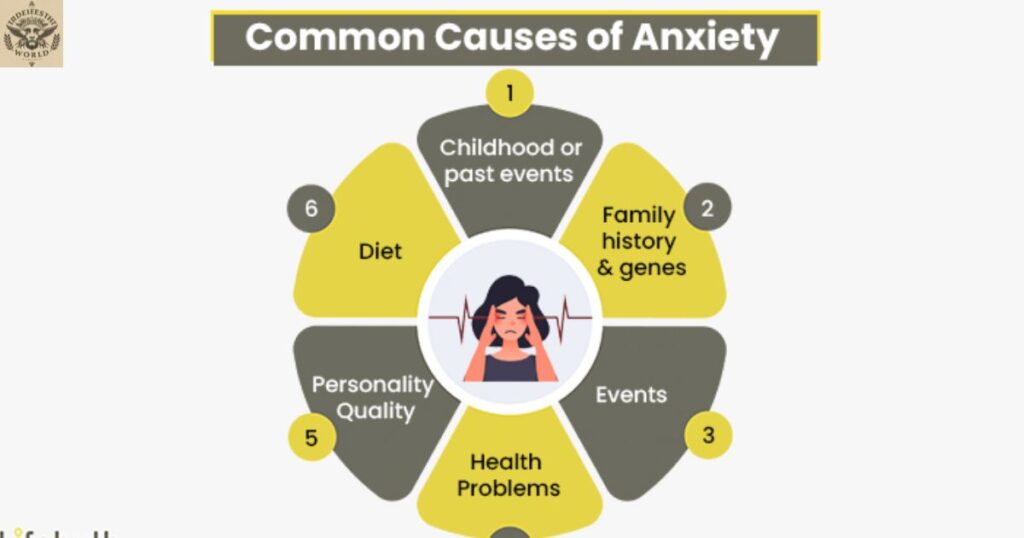
There is no single cause behind every experience of anxiety. Worry and nervousness can occur because of everyday pressure, uncertainty, major life changes, difficult experiences, health concerns, financial problems, relationship problems, work pressure, or school demands.
For generalized anxiety disorder, researchers suggest that a combination of genetic, biological, and environmental factors may contribute. Stressful or traumatic experiences can also increase risk. The exact causes can differ between individuals.
Common Triggers of Anxiety
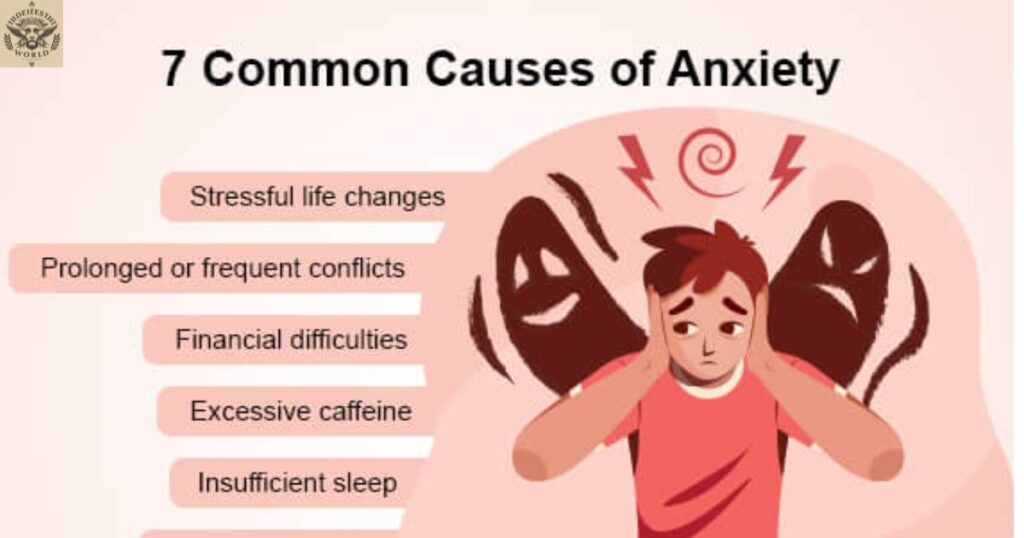
Anxiety triggers vary from person to person. Some people may become anxious about social situations, while others may worry about health, money, school, work, family, relationships, or future events.
Common situations associated with anxiety can include exams, job interviews, public speaking, financial difficulties, major life changes, relationship problems, and uncertainty. A trigger can create temporary nervousness without meaning that someone has an anxiety disorder.
Types of Anxiety Disorders
There are several recognized anxiety disorders, and they do not all look the same. NIMH lists generalized anxiety disorder, panic disorder, social anxiety disorder, and phobia-related disorders among the anxiety disorders.
Each condition has different features. Generalized anxiety disorder involves excessive worry about a range of everyday matters, while social anxiety disorder involves significant fear or anxiety around situations involving possible judgment or evaluation by others. Panic disorder involves recurrent unexpected panic attacks and ongoing concern or behavioral changes related to them.
Generalized Anxiety Disorder Meaning
Generalized anxiety disorder, often called GAD, involves excessive worry about different areas of life. A person may worry about work, health, money, family, school, or other everyday responsibilities.
NIMH describes GAD as persistent anxiety and worry that is difficult to control and can interfere with daily life. Diagnosis involves specific clinical criteria, including difficulty controlling worry on most days for at least six months along with other symptoms.
Read More: Aesthetic Meaning: Definition, Examples, Types, and Social Media Use
Social Anxiety Meaning
Social anxiety refers to significant fear or anxiety in situations where a person may be watched, evaluated, judged, embarrassed, or rejected by others. Examples can include public speaking, meeting unfamiliar people, interviews, dating, answering questions in class, or interacting in everyday social situations.
Someone with social anxiety may avoid situations that cause distress. Physical signs can include blushing, sweating, trembling, rapid heartbeat, stomach discomfort, or difficulty making eye contact.
Panic Attack Meaning
A panic attack is a sudden episode of intense fear or discomfort that can involve strong physical and emotional symptoms. A person may experience a racing or pounding heart, sweating, trembling, dizziness, difficulty breathing, chest pain, nausea, or a feeling of losing control.
An isolated panic attack does not automatically mean someone has panic disorder. Panic disorder involves recurrent unexpected panic attacks along with ongoing worry or behavioral changes related to future attacks.
Anxiety Meaning in Daily Life
The anxiety becomes easier to understand through everyday examples. A student may feel anxious before an important examination. An employee may feel nervous before a presentation. Someone waiting for important news may repeatedly worry about the possible outcome.
These experiences can be normal reactions to uncertainty. The important distinction is how intense, persistent, and disruptive the feelings become. When anxiety repeatedly interferes with everyday activities, seeking professional guidance can help clarify what is happening.
Anxiety Meaning in Texting and Social Media
In texting and social media, anxiety is often used casually to describe feeling worried, nervous, stressed, or uncomfortable. Someone might write, “I have so much anxiety about tomorrow,” meaning they feel very worried about an upcoming event.
Online use does not necessarily refer to a diagnosed anxiety disorder. People may use the word to describe a temporary emotional state. Context matters, especially because clinical anxiety disorders are medical conditions that require more than a single feeling or symptom for diagnosis.
Anxiety Meaning in Relationships
Anxiety can sometimes appear around relationships. A person may worry about communication, rejection, conflict, trust, separation, or the future of a relationship.
Relationship worries can happen to anyone and do not automatically indicate an anxiety disorder. If fear or worry becomes persistent and significantly affects communication, daily functioning, or the person’s ability to maintain relationships, professional support may be useful.
Anxiety and Sleep
Anxiety and sleep can affect each other. Worry may make it difficult to relax at bedtime or cause repeated thoughts about future problems. Some people may have difficulty falling asleep, staying asleep, or feeling rested.
Sleep problems are also associated with several other conditions and life circumstances. Therefore, ongoing sleep difficulties should not automatically be attributed to anxiety alone. NHS information on GAD includes difficulty sleeping and tiredness among possible symptoms.
Anxiety and Concentration
Anxiety can make concentration difficult, especially when the mind is occupied with repeated worries. A person may find it difficult to focus on studying, work, conversations, or everyday tasks.
Difficulty concentrating can have many causes, so it is not specific to anxiety. NIMH and NHS information identify concentration difficulties among symptoms that can occur with generalized anxiety disorder.
Anxiety and the Body
Anxiety can involve noticeable physical reactions. The body’s response to perceived stress can affect heart rate, breathing, muscles, digestion, sweating, and alertness.
This does not mean every physical symptom is caused by anxiety. Chest pain, severe breathing problems, fainting, or other concerning physical symptoms may require medical evaluation, particularly when symptoms are new, severe, or unexplained.
Is Anxiety Normal?
Feeling anxious sometimes is normal. People may experience anxiety before an examination, interview, performance, important meeting, medical appointment, or major life event.
The concern becomes different when anxiety is persistent, difficult to control, disproportionate to the situation, or disruptive to daily life. NIMH explains that anxiety disorders involve more than occasional worry or fear and can interfere with work, school, relationships, and everyday activities.
When Can Anxiety Become a Problem?
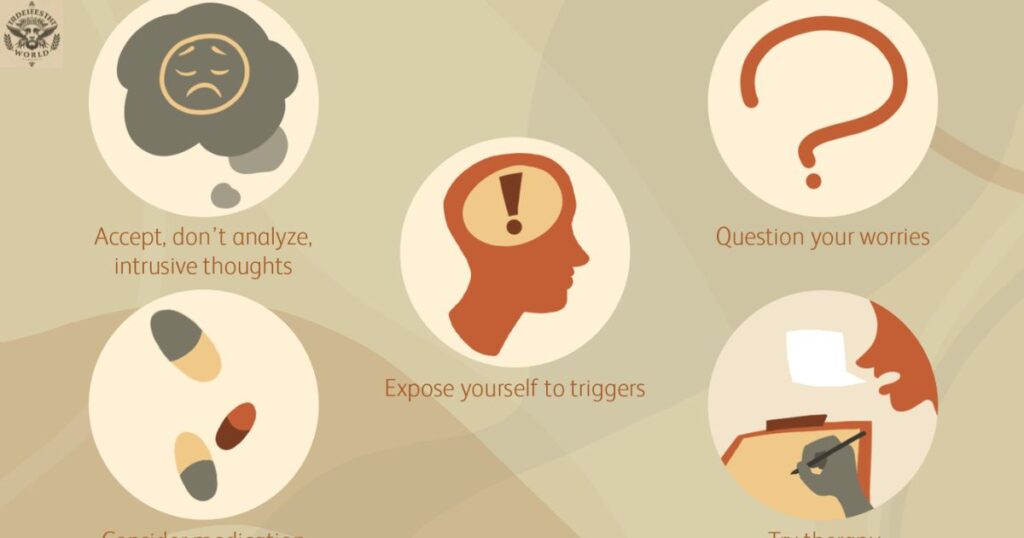
Anxiety may need professional attention when it does not go away, becomes difficult to control, or significantly affects everyday activities. Examples include persistent worry that interferes with sleep, work, school, relationships, or normal routines.
For generalized anxiety disorder, clinicians consider the duration, frequency, severity, associated symptoms, and impact on daily functioning. A person should not diagnose themselves based only on an online symptoms list.
How Is Anxiety Diagnosed?
Anxiety disorders are diagnosed by qualified healthcare professionals rather than by one symptom or an online quiz. A healthcare provider may ask about symptoms, when they started, how often they happen, how long they last, and how they affect daily life.
For GAD, NIMH states that diagnosis involves difficulty controlling worry on most days for at least six months together with other required symptoms. Other anxiety disorders have different diagnostic criteria.
How Is Anxiety Treated?
Treatment depends on the type and severity of the anxiety and the individual person’s circumstances. Professional treatment can include talking therapies, such as cognitive behavioral therapy, and in some cases medication.
The NHS states that CBT is commonly offered for generalized anxiety disorder and that medicines such as SSRIs may also be used. Treatment decisions should be made with an appropriate healthcare professional rather than based solely on an online article.
Simple Ways to Manage Everyday Anxiety
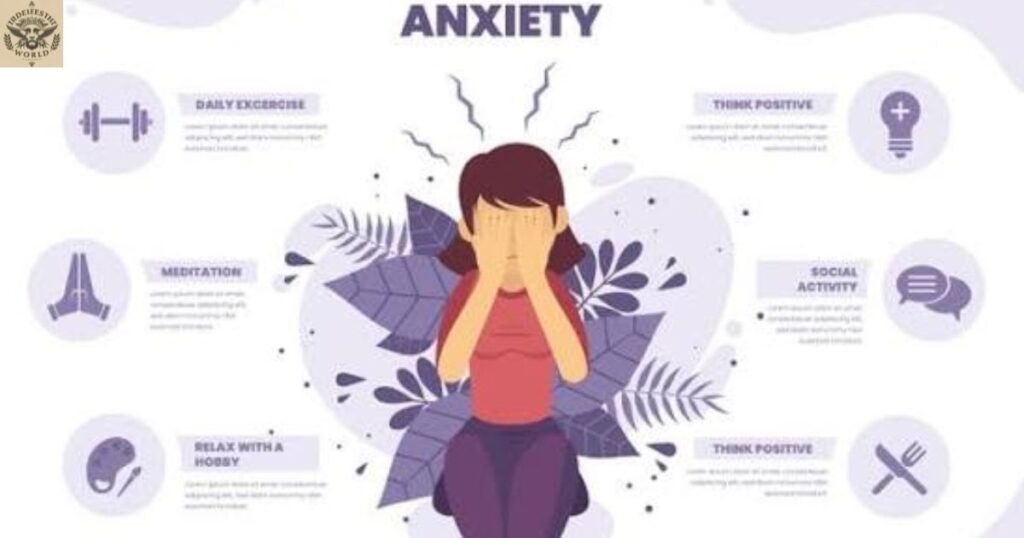
For temporary anxiety, some basic habits may help. Talking to someone you trust, maintaining a regular sleep routine, using relaxation or breathing exercises, staying physically active, and learning about the source of worry can be useful.
These approaches are not a substitute for professional treatment when anxiety is severe or persistent. NHS guidance also recommends talking about feelings, relaxation exercises, adequate sleep, and appropriate self-help resources for people dealing with anxiety.
Anxiety Symptoms: A Quick Checklist
Here is a simple overview of signs that may occur with anxiety:
- Excessive or repeated worry
- Feeling nervous or on edge
- Difficulty relaxing
- Restlessness
- Trouble concentrating
- Irritability
- Trouble sleeping
- Feeling tired
- Muscle tension
- Headaches
- Sweating
- Shaking
- Dizziness
- Fast or noticeable heartbeat
- Breathlessness
- Stomach discomfort
- Nausea
- Avoiding situations because of fear
These symptoms can occur for different reasons and do not automatically mean that a person has an anxiety disorder.
Anxiety Meaning vs. Fear
Anxiety and fear are related but can differ in their typical triggers. Fear is often connected to an immediate or clearly identified threat, while anxiety can involve anticipation of a possible future threat or uncertain outcome.
For example, seeing immediate danger may produce fear. Worrying about what might happen tomorrow can produce anxiety. In real life, the two emotional responses can overlap, and both can produce physical changes in the body.
Anxiety Meaning vs. Depression
Anxiety and depression are different conditions, although they can occur together. Anxiety is commonly associated with worry, fear, nervousness, tension, and anticipation of possible problems.
Depression can involve persistent low mood, loss of interest or pleasure, changes in sleep or appetite, low energy, and other symptoms. Because symptoms can overlap, a healthcare professional can help determine what is happening rather than relying on a single symptom.
Anxiety Meaning in Urdu
The anxiety meaning in Urdu can be explained with words such as بے چینی، اضطراب، گھبراہٹ، پریشانی، یا فکرمندی, depending on the context.
For example, if someone feels worried and nervous before an important event, the feeling can be described as anxiety. However, clinical anxiety is more specific than ordinary temporary worry, particularly when symptoms persist and interfere with daily life.
Anxiety Meaning in Hindi
The anxiety meaning in Hindi can commonly be explained as चिंता, घबराहट, बेचैनी, या व्याकुलता. The exact word depends on the sentence and context.
In everyday use, it can describe feeling nervous or worried. In a health context, anxiety can refer to a persistent pattern of worry or fear that may require professional assessment.
Common Synonyms for Anxiety
The best synonym depends on the context. Common related words include:
- Worry
- Nervousness
- Uneasiness
- Fear
- Concern
- Apprehension
- Restlessness
- Tension
- Dread
- Insecurity
- Distress
These words are related but are not always exact substitutes. Clinical anxiety has a more specific meaning than ordinary concern or nervousness.
Common Phrases With Anxiety
Some common phrases include:
- Anxiety symptoms
- Anxiety disorder
- Anxiety meaning
- Anxiety definition
- Signs of anxiety
- Symptoms of anxiety
- Causes of anxiety
- Anxiety and stress
- Social anxiety
- Generalized anxiety
- Anxiety attack
- Panic attack
- Health anxiety
- Anxiety treatment
- Anxiety relief
- Anxiety in relationships
- Anxiety at night
- Anxiety before an exam
- Anxiety about the future
- Anxiety and sleep
These phrases reflect different search intentions around the topic and can help readers find information that matches their specific questions.
Frequently Asked Questions :
What is the simple meaning of anxiety?
Anxiety means feeling worried, nervous, fearful, or uneasy about something that may happen. It can be a normal temporary response or part of an anxiety disorder when persistent and disruptive.
What are the 5 common signs of anxiety?
Five common signs include excessive worry, restlessness, difficulty concentrating, muscle tension, and sleep problems. Physical symptoms such as sweating or a fast heartbeat can also occur.
What are the main symptoms of anxiety?
Symptoms may include worry, nervousness, restlessness, difficulty relaxing, poor concentration, sleep problems, muscle tension, sweating, shaking, dizziness, stomach problems, and a noticeable heartbeat.
Is anxiety normal?
Occasional anxiety is normal and can happen before stressful or important events. It may become a concern when it persists, becomes difficult to control, or interferes with daily life.
What causes anxiety?
Anxiety can be associated with stress, uncertainty, difficult life experiences, health concerns, work, school, relationships, and other pressures.
Conclusion
Anxiety is generally connected with worry, fear, nervousness, uneasiness, or concern about a possible problem or uncertain situation. Anxiety is a normal human experience, and occasional nervousness does not automatically mean that someone has an anxiety disorder.
Simple anxiety symptoms can affect the mind and body, including excessive worry, restlessness, difficulty concentrating, sleep problems, muscle tension, sweating, shaking, stomach discomfort, dizziness, and a noticeable heartbeat. When these feelings become persistent or interfere with everyday life, professional assessment can help identify the cause and appropriate support.

