


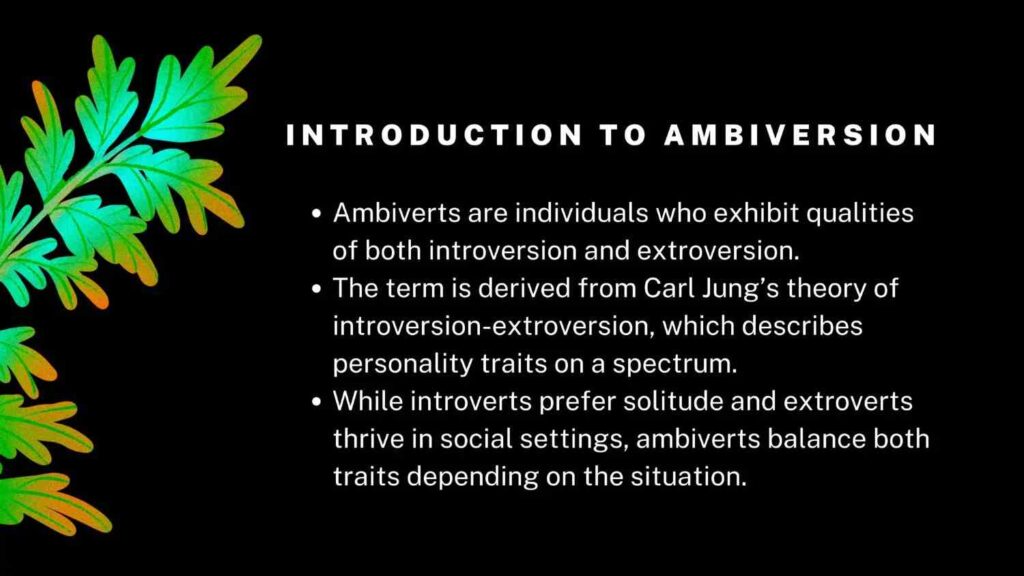
Have you ever enjoyed spending time alone but also loved talking with friends and meeting new people? If yes, the word ambivert may describe your personality style. An ambivert can feel comfortable in both quiet and social situations, depending on the setting, mood, and people around them.
The ambivert meaning is commonly connected with a person who shows both introverted and extroverted characteristics. Such a person may enjoy alone time but can also become talkative and energetic during social activities. The balance can change from one situation to another.
Understanding the ambivert meaning can make personality differences easier to understand. It can also help explain why someone may enjoy a party one day and prefer a quiet evening at home the next. Personality is not always limited to one fixed category.
What Is Ambivert Meaning?
The ambivert meaning refers to a person who displays a combination of introvert and extrovert traits. An ambivert may enjoy social interaction while also needing private time to relax, think, or recharge. The balance between these two sides can vary from person to person.
An ambivert can be comfortable speaking in a group but may not always want to be the centre of attention. They can enjoy meeting people and also appreciate quiet activities. Their behaviour often depends on the situation rather than following one consistent social pattern.
Ambivert Definition in Simple English
In simple English, an ambivert is someone who has both introverted and extroverted personality traits. The person may be social and outgoing in some situations but quiet and reserved in others.
For example, an ambivert might enjoy spending Saturday with friends and then spend Sunday reading a book alone. Neither behaviour is unusual for an ambivert. The person may naturally move between social and private activities.
What Does Ambivert Mean in Personality?
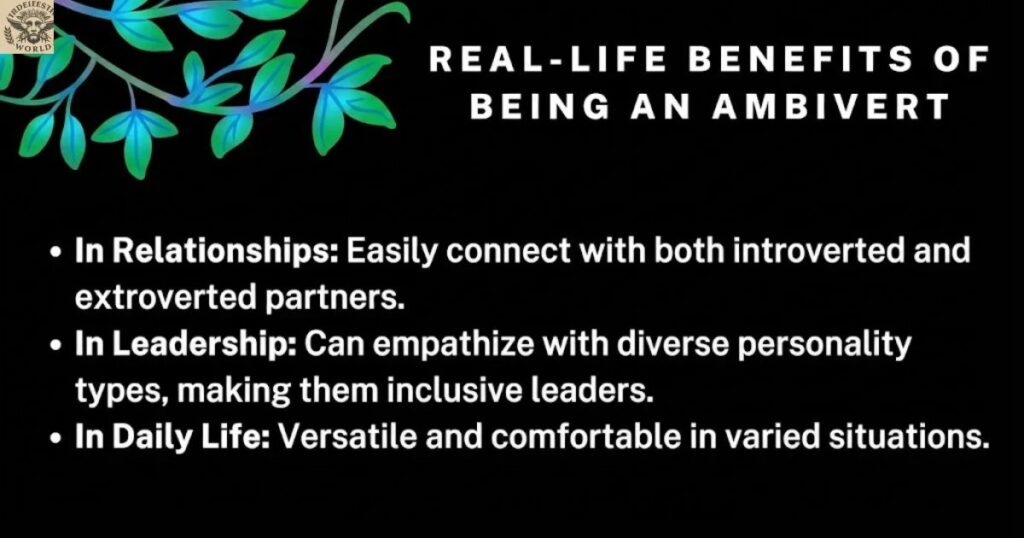
The ambivert meaning in personality describes a flexible social style. An ambivert does not necessarily prefer people all the time or solitude all the time. Instead, social needs can change according to energy levels, environment, relationships, and circumstances.
An ambivert may speak confidently during a familiar meeting but remain quiet around strangers. They may enjoy conversations with close friends while avoiding unnecessary social events. Such differences are part of the reason ambivert personalities can appear difficult to place into one simple category.
Ambivert Personality Traits
Common ambivert personality traits include flexibility, balanced social behaviour, good listening skills, and the ability to adapt to different environments. An ambivert may communicate openly when comfortable but can also step back and observe.
Another common trait is situational behaviour. An ambivert may enjoy a busy social event but later need quiet time. They may also feel comfortable working independently while enjoying teamwork when the project requires collaboration.
Common Ambivert Traits
| Trait | What It May Look Like |
| Social flexibility | Enjoying both social and quiet situations |
| Adaptability | Changing communication style according to the setting |
| Balanced communication | Speaking and listening comfortably |
| Selective socialising | Enjoying social events without attending every event |
| Independence | Working well alone |
| Teamwork | Cooperating effectively with others |
| Self-awareness | Understanding personal energy and social needs |
Signs You May Be an Ambivert
One possible sign of an ambivert personality is enjoying social interaction without needing it constantly. You may look forward to meeting friends but also feel happy staying at home. Your preferred activity can change depending on your energy and surroundings.
Another sign is being comfortable in different social roles. You might listen quietly during one conversation and lead the discussion during another. You may also enjoy working alone for some tasks and prefer teamwork for others.
1. You Enjoy Socialising but Need Alone Time
An ambivert may enjoy conversations, gatherings, and activities with friends. However, too much social activity can create a desire for quiet time. After a busy day,Ambivert Meaning, an ambivert may prefer relaxing alone.
The need for alone time does not mean the person dislikes people. It simply means quiet activities can also feel comfortable and refreshing. The balance may change depending on the individual.
Read More: Artificial Intelligence Meaning: Definition, Types, Examples, Uses, and How It Works
2. You Can Be Talkative or Quiet
An ambivert may be very talkative around familiar people but quieter in unfamiliar environments. Comfort, interest, and social expectations can influence communication.
For example, someone may speak actively with close friends but listen more during a new group meeting. Both behaviours can exist within the same personality.
3. You Enjoy Different Types of Activities
Ambiverts can enjoy a wide range of activities. They may like attending parties, travelling with friends, or joining group events. They may also enjoy reading, gaming, studying, or watching a film alone.
The key point is flexibility. An ambivert does not need every activity to be social or private. Different situations can provide different types of enjoyment.
4. You Adapt to Different Social Situations
An ambivert may change their behaviour according to the environment. A workplace meeting, family gathering,Ambivert Meaning, classroom, and close group of friends can all bring out different sides of the same person.
Such adaptability can make communication easier. However, being adaptable does not mean an ambivert always feels comfortable in every situation.
Ambivert vs Introvert vs Extrovert
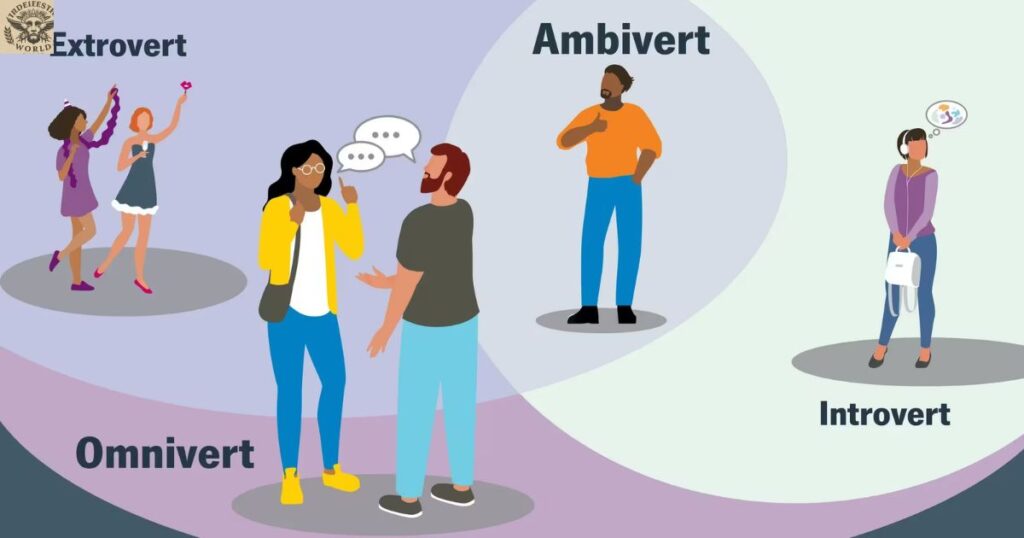
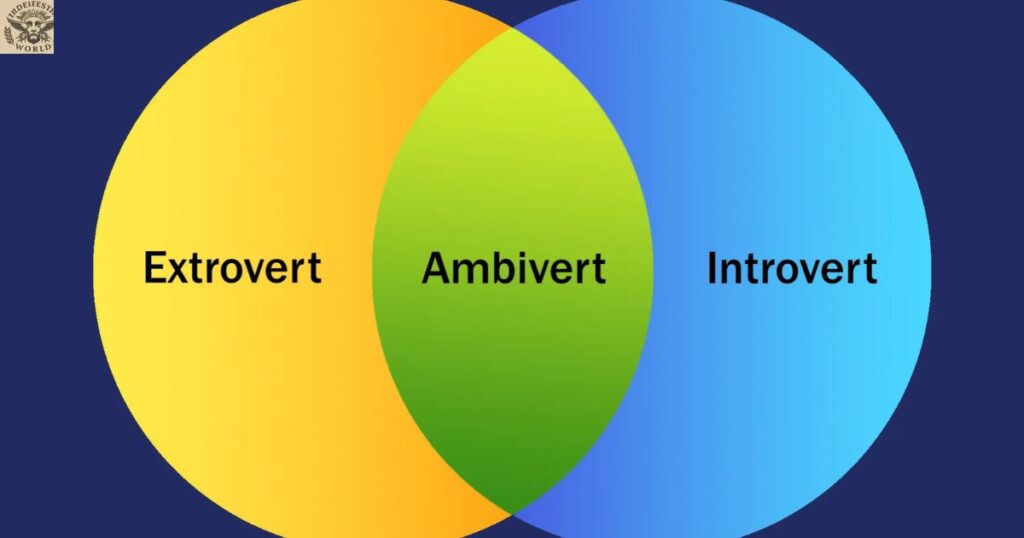
The difference between an ambivert, introvert, and extrovert is mainly related to social preferences and how a person responds to social environments. An introvert generally prefers quieter settings and may value time alone, while an extrovert often enjoys frequent social interaction.
An ambivert can show characteristics associated with both styles. For example, an ambivert may enjoy a group conversation but later want some quiet time. These categories are useful for describing tendencies, but real personalities can be more complex than three simple labels.
| Feature | Ambivert | Introvert | Extrovert |
| Social interaction | Depends on situation | Often prefers limited interaction | Often enjoys frequent interaction |
| Alone time | Enjoys it sometimes | Often values it highly | May prefer more social activity |
| Communication | Can be quiet or talkative | Usually more reserved | Often more expressive |
| Group settings | Can enjoy them selectively | May prefer smaller groups | Often comfortable in groups |
| Work style | Can work alone or in teams | Often comfortable working independently | Often enjoys collaborative work |
| Social energy | Can vary | May feel drained by extended social activity | Often feels energised by social activity |
| Behaviour | Flexible | More reserved | More outgoing |
Ambivert vs Introvert
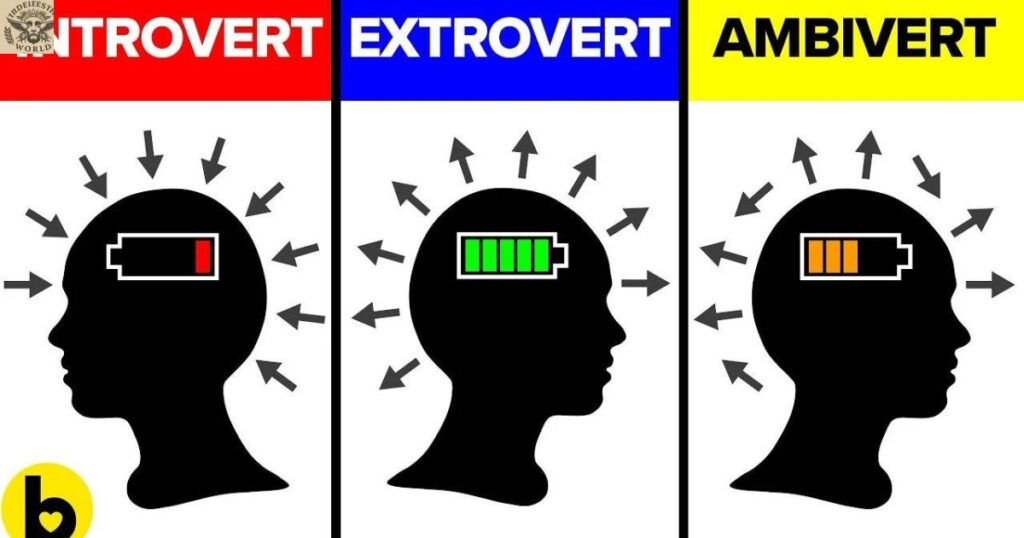
An ambivert vs introvert comparison shows that both personalities can enjoy quiet time, but an ambivert may also seek social interaction more frequently. An introvert can enjoy social activities too, but may prefer smaller groups or more controlled environments.
For example, an introvert may choose a quiet evening after a long day, while an ambivert might choose either a quiet evening or dinner with friends. The choice can depend on the person’s current energy, mood, and situation.
Ambivert vs Extrovert
An ambivert vs extrovert comparison shows that both can enjoy social activities and communication. However, Ambivert Meaning,an ambivert may have a stronger need for quiet periods between social experiences.
An extroverted person may actively seek group activities, Ambivert Meaning,conversations, and social events. An ambivert may enjoy the same activities but can also feel satisfied spending time alone. The difference is often about preference and balance rather than a strict rule.
Ambivert vs Introvert vs Extrovert: Simple Example
Imagine three people receive an invitation to a large party. An extrovert may feel excited about meeting many people and starting conversations. An introvert may prefer a smaller gathering or choose to stay home.
An ambivert may decide based on the situation. If the guests are close friends, they may happily attend and talk for hours. If the event is unfamiliar and crowded, they may prefer a shorter visit or a quiet evening instead.
Ambivert Examples in Everyday Life
An ambivert example can be found in ordinary situations. A student may enjoy discussing a lesson with classmates but prefer studying alone before an exam. A worker may enjoy team meetings but also appreciate independent tasks.
Another example is social planning. An ambivert might enjoy going out with friends on Friday night and staying home on Saturday. Neither choice feels unusual because social needs can change according to circumstances.
Example 1: At Work
An ambivert employee may participate actively in meetings and share ideas with colleagues. At the same time, the employee may prefer completing certain tasks independently without constant discussion.
Example 2: At School or College
An ambivert student may enjoy group projects and classroom discussions. However, individual study time may also feel comfortable and productive.
Example 3: With Friends
An ambivert may enjoy meeting friends, going to restaurants,Ambivert Meaning, or attending events. After several social activities, quiet time at home may become more appealing.
Example 4: Online
An ambivert may enjoy posting content and chatting online but may not want to interact constantly. They may use social media actively during some periods and take breaks during others.
Ambivert Personality in Relationships
The ambivert personality can influence relationships in different ways. An ambivert may enjoy meaningful conversations and social activities with a partner while also appreciating personal space.
Communication can depend on mood and circumstances. Some days may involve long conversations and shared activities,Ambivert Meaning, while other days may be quieter. Healthy relationships can benefit from understanding these changing preferences.
Ambivert Personality at Work
An ambivert can potentially adapt to both independent and collaborative work. Team meetings, presentationsAmbivert Meaning, brainstorming sessions, and individual assignments may all suit different aspects of the personality.
For example, an ambivert may contribute ideas during a group discussion and later prefer uninterrupted time to complete the work. Such flexibility can be useful in workplaces that require different communication styles.
Ambiverts and Communication
Communication for an ambivert can be flexible. The person may speak confidently when the topic is familiar or interesting but listen more carefully in unfamiliar situations.
An ambivert can also adjust communication according to the audience. They may use a relaxed style with friends and a more professional style at work. The ability to adjust does not mean every ambivert communicates in the same way.
Ambiverts and Social Energy
Social energy can vary for people with ambivert traits. An ambivert may feel energetic after a positive social experience but may later want time away from conversation and crowds.
The amount of social activity that feels comfortable differs from person to person. Sleep, stress, work demands, relationships,Ambivert Meaning, and personal interests can also affect social preferences.
Benefits of Being an Ambivert
One potential benefit of an ambivert personality is adaptability. An ambivert may feel comfortable participating in group activities while also being capable of independent work.
Another possible benefit is balanced communication. An ambivert can participate in conversations while also giving others space to speak. Such flexibility can be useful in friendships, education,Ambivert Meaning, and professional settings.
Common Strengths
- Flexible social behaviour
- Ability to work independently
- Ability to collaborate with others
- Adaptability in different environments
- Balanced listening and speaking
- Comfort with different types of activities
- Potentially strong situational awareness
Possible Challenges of an Ambivert
Being between introversion and extroversion can sometimes feel confusing. An ambivert may not always know whether socialising or spending time alone will feel better.
Another challenge can involve changing energy levels. A person may agree to a social activity and later realise that quiet time would be more comfortable. Understanding personal limits can make these situations easier to manage.
Is Ambivert a Personality Type?
The term ambivert is commonly used to describe people who show both introverted and extroverted tendencies. It is useful as a general personality description rather than a complete explanation of someone’s personality.
Human personality is complex. A person can have different traits across different environments and stages of life. Therefore,Ambivert Meaning, the ambivert label can describe a tendency without defining every part of someone’s character.
Are Ambiverts Rare?
There is no single agreed percentage that can accurately identify how many people are ambiverts. Personality exists on a broad range, so many people may show a mixture of introverted and extroverted characteristics.
Instead of focusing on whether someone belongs to a rare category, it can be more useful to consider individual behaviour. Social comfort, energy, communication, and personal preferences can vary significantly between people.
How to Know If You Are an Ambivert
Think about how you normally behave in different situations. Do you enjoy meeting friends but also look forward to quiet time? Can you participate in group discussions while also enjoying independent work?
Consider whether your social preferences change according to the setting. If you can comfortably move between social and private activities,Ambivert Meaning, you may identify with some ambivert traits. However, a simple label cannot capture every part of a personality.
Ambivert Meaning in Simple Words
In simple words, an ambivert is a person who can enjoy both social interaction and alone time. They may be outgoing in one situation and quiet in another.
The ambivert meaning is therefore closely connected with balance and flexibility. An ambivert does not have to behave like an introvert or extrovert all the time.
Frequently Asked Questions
What is the ambivert meaning?
The ambivert meaning refers to a person who shows both introverted and extroverted characteristics. Such a person may enjoy social interaction while also appreciating alone time.
What is an ambivert personality?
An ambivert personality describes a flexible social style that can include both reserved and outgoing behaviours. Social preferences may change depending on the situation.
What is the difference between an ambivert and an introvert?
An introvert generally prefers quieter environments and may value alone time more strongly. An ambivert can enjoy quiet time but may also enjoy frequent social interaction.
What is the difference between an ambivert and an extrovert?
An extrovert generally enjoys social interaction and group activities. An ambivert can also enjoy those activities but may have a stronger preference for quiet time in some situations.
Can an ambivert be shy?
Yes. Ambivert traits and shyness are not the same thing. A person can enjoy social interaction while still feeling shy or nervous in certain situations.
Conclusion
The ambivert meaning describes a person who shows a combination of introverted and extroverted tendencies. An ambivert may enjoy conversations, group activities, and social events while also appreciating privacy, quiet environments,Ambivert Meaning, and independent activities.
Ambivert, introvert, and extrovert are useful ways to describe general social tendencies, but people are more complex than simple labels. Understanding personal energy, communication preferences,Ambivert Meaning, and comfort levels can provide a more accurate picture of personality than relying on one category alone.

