


Dreams can feel mysterious, emotional, strange, or surprisingly realistic. A person may wake up wondering about dreams of falling, being chased, losing teeth, meeting someone, visiting a clinic, or flying. Because dreams feel personal, many people look for explanations and hidden meanings.
When people search for Cleveland Clinic dream meanings, it is important to know that Cleveland Clinic does not provide a fixed dream dictionary with one proven meaning for every symbol. Dreams are mental activity during sleep, and vivid dreams commonly occur during REM sleep. There is also no consistent scientific formula linking one dream image to one specific meaning.
What Are Dreams According to Cleveland Clinic
Dreams are mental imagery and activity that occur while a person is sleeping. Although dreams can happen during different stages of sleep, the most vivid and memorable dreams commonly occur during rapid eye movement, or REM, sleep. During REM sleep, brain activity becomes much more active, while the body normally experiences temporary muscle paralysis.
Dreams can include people, places, conversations, memories, emotions, sounds, physical sensations, and situations that do not seem connected to normal waking life. Some dreams are realistic, while others combine unrelated experiences into unusual stories. The brain can also transform familiar people or locations into forms that are difficult to recognize after waking.
Cleveland Clinic notes that researchers still have much to learn about why people dream and exactly how dream content is produced. This is one reason dream interpretation should be approached carefully. A dream can be useful for personal reflection without automatically being a prediction, diagnosis, warning, or supernatural message.
Do Dreams Have a Specific Meaning
There is no scientifically established universal dictionary that can accurately assign one meaning to every dream symbol. For example, dreaming about falling does not automatically mean one particular thing for every person. The same dream image may appear during completely different emotional and life circumstances.
Sleep Foundation explains that dream interpretation involves examining dream content for possible emotions, thoughts, or meanings, while also recognizing that science has not confirmed exactly why people dream. Current theories include emotional processing, memory consolidation, creativity, and other possible functions of dreaming.
Personal context can therefore be more useful than simply looking up an isolated symbol. Consider what happened before the dream, how you felt during it, what happened after waking, and whether a similar situation is happening in your daily life. These details can provide a more meaningful framework for understanding your own dream.
How Dreams May Connect With Daily Life
Dreams can contain elements connected with waking experiences, although those experiences may be changed, mixed together, or represented in unusual ways. A stressful day, important conversation, relationship problem, major decision, or emotional memory may appear indirectly in dream content.
For example, someone preparing for an important examination may dream about arriving late or being unable to answer questions. Another person dealing with relationship uncertainty may dream about losing someone or being ignored. These examples do not prove that a particular dream has a fixed meaning, but they show how dream content can reflect concerns that already exist in waking life.
Sleep Foundation notes that dream content can connect with waking experiences even when the dream changes or distorts those experiences. This makes personal associations an important part of thoughtful dream interpretation
.Read More: iPhone Meaning: What Does iPhone Mean and What Does the “i Stand For?
Scientists continue to study why humans dream, and no single explanation has been established as the complete answer. Several theories have been proposed, including memory processing, emotional processing, mental organization, and the possibility that some dream activity may simply be a by-product of brain activity during sleep.
One theory suggests that dreaming may be involved in processing emotions. Another connects dreaming with memory consolidation, meaning that sleep may help the brain organize and strengthen information from waking experiences. Other theories suggest that dreams may contribute to creativity or help the brain simulate unusual situations.
This uncertainty matters when discussing Cleveland Clinic dream meanings. A dream may be psychologically interesting without having a single hidden message. Instead of asking only what a symbol means in a general dream dictionary, it can be more useful to ask what that image represents in your own life.
The Connection Between Dreams and REM Sleep
REM sleep is strongly associated with vivid and complex dreaming. During this stage, brain activity increases, eye movements become rapid, breathing and heart rate can fluctuate, and most skeletal muscles remain temporarily inactive. This unusual combination helps explain why dreams can feel intense even though the body is largely still.
Dreaming is not limited to REM sleep. Sleep Foundation explains that dreams can occur during different stages, although vivid and elaborate dreams are more commonly associated with REM sleep. REM periods also become longer later in the night, which is one reason people may remember detailed dreams after waking in the morning.
Dream recall is another important factor. People dream more often than they remember dreaming. If you wake during or shortly after a dream, you are more likely to remember its details. If you move quickly into another activity after waking, much of the dream may disappear from memory.
Common Dream Meanings and Possible Interpretations
Common dream symbols are often discussed online as though each one has a universal definition. A more careful approach is to treat these interpretations as possible themes rather than established facts. The emotional tone, personal history, and circumstances surrounding a dream can change its meaning considerably.
The following examples can help you reflect on common dream experiences while keeping their interpretation flexible.
interpretation flexible.
| Dream experience | Possible theme to explore |
| Falling | Loss of control, uncertainty, pressure, or a major transition |
| Being chased | Avoidance, fear, stress, or an unresolved situation |
| Flying | Freedom, confidence, imagination, or desire for independence |
| Teeth falling out | Appearance concerns, vulnerability, communication, or personal anxiety |
| Being late | Pressure, fear of missing an opportunity, or performance concerns |
| Losing something | Fear of change, attachment, uncertainty, or misplaced attention |
| Meeting someone from the past | Memories, unresolved emotions, or associations with that period |
| Being in a clinic | Care, evaluation, vulnerability, healing, or concern about an issue |
| Recurring dream | A repeated emotional theme or unresolved concern |
| Nightmare | Fear, stress, emotional distress, or disrupted sleep |
These are not medical diagnoses or guaranteed dream meanings. They are starting points for personal reflection. Sleep Foundation also lists falling, flying, being chased, teeth falling out, recurring dreams, and other themes among common dream topics.
Falling Dreams
Falling dreams are among the most commonly discussed dream experiences. A person may dream about falling from a building, falling down stairs, falling from a bridge, or simply dropping through space.
Instead of assuming that falling always means the same thing, consider whether you currently feel uncertain or unable to control an important situation. Work pressure, relationship changes, academic concerns, financial uncertainty, or major life decisions may create emotions that become represented through dream imagery.
The feeling inside the dream also matters. Falling may feel frightening for one person and exciting for another. That difference can change how the dream relates to waking life.
Being Chased in a Dream

Dreams about being chased can create strong fear and may involve a person, animal, unknown figure, or dangerous situation. A common reflection is whether there is something in waking life that you are avoiding or finding difficult to confront.
The dream does not prove that you are avoiding a particular issue. Instead, it can encourage you to examine current stressors. Think about what you were running from, how you felt, whether you escaped, and what happened when the chase ended.
If the same dream occurs repeatedly, keep a dream journal and record changes in the setting and emotional response. Recurring patterns can provide more useful information than one isolated dream.
Dreams About Flying
Flying dreams may feel joyful, powerful, peaceful, or frightening. Some people experience a strong sense of freedom, while others feel anxious because they cannot control where they are going.
Personal associations are especially important here. If flying feels exciting, you might reflect on areas of life where you want greater independence or creativity. If flying feels dangerous, consider whether a current situation feels unpredictable or outside your control.
There is no scientific rule stating that every flying dream means freedom. The emotional experience and personal circumstances should remain central to interpretation.
Teeth Falling Out Dreams
Dreams about teeth falling out are widely discussed in dream interpretation. People may dream that one tooth falls out, all their teeth become loose, or they suddenly lose the ability to speak normally.
Possible areas for reflection include communication, appearance, insecurity, vulnerability, aging, or anxiety. However, these possibilities should not be treated as universal explanations. The same dream can occur for very different reasons.
If the dream is recurring, note what was happening in your life around each occurrence. The surrounding circumstances may provide more useful information than a general dream dictionary.
Dreams About Someone You Know
Dreaming about a friend, family member, partner, former partner, coworker, or other familiar person does not necessarily mean that person is thinking about you or that something will happen between you.
The person may represent your relationship with them, a memory associated with them, a quality you connect with them, or an experience from a particular period of your life. Sometimes the person may simply have appeared because their memory was recently activated.
Ask yourself what emotion the person created in the dream. Did you feel safe, angry, happy, rejected, worried, or confused? That emotional response can provide a useful starting point.
Recurring Dreams
Recurring dreams are dreams with similar themes, settings, situations, or emotions that appear repeatedly. Some recurring dreams remain almost identical, while others change slightly each time.
A recurring dream may encourage you to examine an ongoing concern, but it does not automatically prove that an unresolved problem exists. Sleep, stress, emotional experiences, and personal circumstances can all influence dream patterns.
Keep a journal beside your bed and write down the dream immediately after waking. Record the date, major images, emotions, people, setting, and anything important happening in your life. Over time, patterns may become easier to recognize.
Nightmares and Stressful Dreams

Nightmares are disturbing dreams that can produce fear, anxiety, sadness, or a strong physical reaction after waking. Occasional nightmares are common, but frequent nightmares can interfere with sleep quality and daytime wellbeing.
Sleep Foundation reports that frequent nightmares are associated with poorer perceived sleep quality and may contribute to next-day tiredness and stress. Poor sleep can also be associated with more bad dreams, creating a relationship between sleep quality and dream experiences.
Stress can also influence dreaming. If you are experiencing major emotional pressure, your dreams may become more vivid or distressing. However, a stressful dream should not automatically be interpreted as a prediction of something bad.
Can Dreams Reveal Health Problems
This question receives considerable attention because some dreams can involve illness, pain, unusual physical sensations, or disturbing experiences. Some discussions have explored whether dreams could ever provide clues about health conditions, but this area should be treated cautiously.
Reports about so-called prodromal dreaming remain controversial. The existence of an interesting dream followed by a medical diagnosis does not establish that dreams can reliably predict disease. Medical decisions should be based on symptoms, appropriate testing, and professional evaluation rather than dream interpretation.
A dream can still encourage someone to pay attention to their wellbeing. If you are experiencing persistent physical symptoms, repeated sleep disruption, or significant changes in sleep, the appropriate response is to discuss those concerns with a qualified healthcare professional rather than trying to diagnose yourself through dream symbolism.
Dreams and Mental Health
Dreams and mental health can influence one another in complex ways. Emotional stress can affect sleep, and disturbed sleep can affect mood, concentration, and daily functioning.
Nightmares may become particularly important when they are frequent or connected with traumatic experiences. Sleep Foundation notes that nightmares can interfere with sleep, while Cleveland Clinic discusses disruptive nightmares and approaches used to reduce their impact.
This does not mean that one unusual dream indicates a mental health condition. Dreams vary naturally, and strange or emotional dreams are part of normal human sleep. The concern becomes more relevant when nightmares or sleep disturbances are persistent and interfere with everyday life.
What Is a Lucid Dream
A lucid dream occurs when a person becomes aware that they are dreaming while the dream is still happening. Some people can influence parts of the dream after becoming aware, such as changing their surroundings, flying, or interacting differently with dream characters.
Cleveland Clinic explains that lucid dreaming most commonly occurs during REM sleep and that researchers are still learning about its causes and effects. The ability to control dreams varies between individuals, and being aware inside a dream does not necessarily mean having complete control over everything that happens.
Lucid dreams can be interesting from a psychological and creative perspective. Some people use them to explore dream experiences, while others simply experience them naturally. More research is needed to understand the full effects of lucid dreaming.
Can Lucid Dreams Be Dangerous
There is not enough evidence to conclude that lucid dreaming itself is harmful for most people. However, attempts to deliberately induce lucid dreams can sometimes involve interrupting normal sleep.
Cleveland Clinic notes that deliberately disrupting sleep to induce lucid dreams may contribute to sleep deprivation, which can affect alertness and memory. Maintaining healthy sleep should therefore remain more important than trying to achieve dream control.
A healthy approach is to avoid sacrificing adequate sleep simply to create vivid or lucid dreams. If a technique repeatedly causes poor sleep, daytime tiredness, or distress, it may not be worth continuing.
What Does a Clinic Mean in a Dream
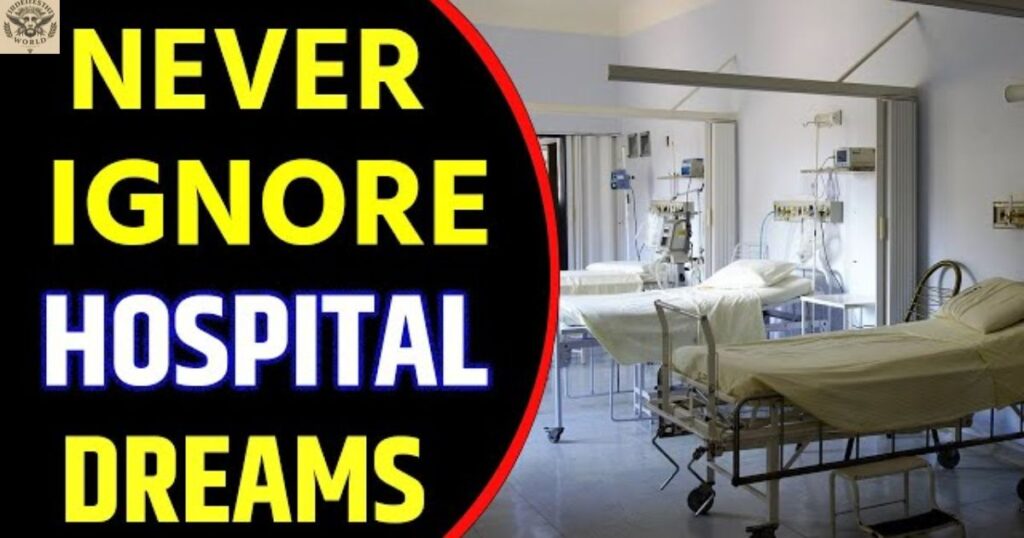
Dreamspoken’s discussion of clinic dreams presents the clinic as a possible symbol of care, evaluation, vulnerability, support, healing, or concern about an issue. It also emphasizes that there is no single fixed meaning and that the dreamer’s emotions and waking circumstances matter.
A clinic dream can therefore be explored through several questions. Were you the patient, doctor, visitor, or caregiver? Did the clinic feel safe or frightening? Were you waiting for results? Were you receiving treatment? Did someone listen to you or ignore you?
For someone currently dealing with a medical appointment, a clinic dream may simply reflect recent experiences. For another person, the clinic may symbolize emotional healing, evaluation at work, family responsibilities, or the desire for support.
Dreaming About a Hospital or Doctor
Hospital and doctor dreams can carry similar themes of care, vulnerability, evaluation, and uncertainty. However, there is no scientifically proven rule that seeing a doctor in a dream predicts illness.
If you recently visited a hospital, watched medical content, cared for someone who was sick, or worried about your health, those experiences may influence dream content. If no medical situation exists, the setting might still remind you of being evaluated, needing help, or wanting answers.
The strongest clue is often your emotional response. Relief may point toward a desire for support, while fear may reflect uncertainty. Again, these are possibilities rather than fixed interpretations.
A Jungian Approach to Dream Interpretation
Carl Jung’s work strongly influenced modern discussions about dreams, symbols, archetypes, and the unconscious. A Jungian approach generally gives attention to the dreamer’s personal associations rather than treating symbols as a universal dictionary.
Research discussing Jung’s theory describes dreams as an important area within analytical psychology and notes the role of symbolic images in dream interpretation.
From this perspective, an object in a dream should be considered in relation to the dreamer’s own life. A house could represent safety to one person and childhood memories to another. Water could represent peace, fear, change, or something entirely different depending on personal associations.
This approach fits well with the broader caution found in Cleveland Clinic’s material: dream interpretation should not be treated as a scientifically proven system where every symbol has one predetermined answer.
How Emotions Can Help Explain a Dream
The emotion you experience in a dream may be more useful than the object itself. Two people can dream about the same location while experiencing completely different feelings.
For example, one person may dream about a hospital and feel relieved because help is available. Another may feel trapped because hospitals are associated with a difficult personal memory. The setting is identical, but the emotional associations are different.
After waking, write down the strongest emotion before trying to interpret the dream. Fear, relief, anger, sadness, excitement, shame, curiosity, or peace can each lead your reflection in a different direction.
How to Interpret Your Dreams More Carefully
Dream interpretation does not need to involve complicated symbolism. A simple process can help you understand recurring themes without turning every dream into a prediction.
- Write the dream down immediately.
Record as much as you remember before details disappear. - Identify the strongest emotion.
Ask whether you felt afraid, peaceful, excited, embarrassed, angry, or confused. - Look at your recent experiences.
Consider conversations, decisions, stress, relationships, work, school, or major changes. - Identify unusual symbols.
Write down important people, objects, places, colors, animals, and actions. - Think about personal associations.
Ask what each image means to you rather than relying only on an online dream dictionary. - Look for repeated patterns.
Compare similar dreams over several days or weeks. - Avoid treating dreams as medical diagnoses.
Use symptoms and professional medical advice for health concerns. - Consider the dream as reflection rather than prediction.
A dream can help you notice emotions without telling you exactly what will happen next.
Keeping a Dream Journal
A dream journal can make dream recall easier and help you identify recurring themes. Keep a notebook or notes app nearby and write down the dream as soon as possible after waking.
Useful details include:
- Date and approximate waking time
- Main people in the dream
- Location and surroundings
- Important objects
- Main events
- Strongest emotions
- Physical sensations
- How the dream ended
- Recent waking-life experiences
- Whether you have had a similar dream before
Over several weeks, patterns may become easier to see. You may discover that certain dreams appear during periods of stress, major decisions, relationship changes, or disrupted sleep.
When Dreams May Need More Attention

Most dreams do not require professional attention. Strange, vivid, emotional, or memorable dreams can be normal parts of sleep.
However, it may be worth discussing recurring sleep problems with a healthcare professional if nightmares happen frequently, significantly disturb sleep, cause persistent daytime distress, or occur alongside unusual sleep behaviors.
Cleveland Clinic also discusses REM sleep behavior disorder, a condition in which normal REM-related muscle paralysis does not occur as expected, allowing some people to physically act out dreams. This can create safety concerns, particularly if movements involve hitting, kicking, or falling from bed.
The important distinction is between an interesting dream and a persistent sleep problem. A single unusual dream is usually very different from repeated behaviors or symptoms that affect health and safety.
Dreams, Memory, and Emotional Processing
One reason dreams continue to interest researchers is their possible connection with memory and emotions. Sleep Foundation describes emotional processing and memory consolidation among leading theories about the possible functions of dreaming.
Dreams can combine recent events with older memories in unexpected ways. A conversation from yesterday may appear alongside a childhood location and a person you have not seen for years. This mixture can make dreams seem mysterious, but it also reflects how complex memory and emotional experiences can be.
Researchers continue to study these processes, so it is better to describe them as theories and areas of investigation rather than proven explanations for every dream.
Can Dreams Predict the Future
There is no reliable scientific basis for treating ordinary dreams as guaranteed predictions of future events. Dreams may contain familiar situations, fears, expectations, memories, and imagined possibilities, but that does not mean they provide certain information about what will happen.
A dream may seem prophetic because people sometimes dream about events that later resemble something in real life. Coincidence, memory, selective attention, and the broad range of dream content can all contribute to this experience.
For practical decisions, rely on evidence, current information, and professional advice where appropriate. Dreams can be personally meaningful without being forecasts.
Can Dreams Tell You What You Really Feel
Dreams can sometimes bring attention to emotions that deserve reflection, but they should not be treated as a perfect emotional detector. A person can have a frightening dream without secretly wanting something frightening to happen.
Instead, use the dream as an invitation to ask gentle questions. Is there something causing stress? Have you recently experienced a major change? Is a relationship creating strong emotions? Are you avoiding a difficult decision?
This approach respects the personal value of dreams while avoiding the assumption that every dream contains a hidden truth.
Why Some Dreams Feel Extremely Real
Vivid dreams can feel almost indistinguishable from waking experiences. Strong visual imagery, emotional intensity, familiar people, realistic locations, and physical sensations can make the dream seem exceptionally real.
REM sleep is associated with increased brain activity and vivid dreaming, which may contribute to this intensity. Sleep Foundation notes that REM dreams are often more vivid and fantastical than dreams reported from non-REM sleep.
The realistic quality of a dream does not necessarily make its message more accurate. A vivid dream is still a dream, and its interpretation should be approached with the same care as any other dream.
Why You Forget Dreams So Quickly
Many people remember a dream for only a few seconds or minutes after waking. Dream memories can fade rapidly, especially when attention shifts to phones, conversations, work, or other morning activities.
Dream recall is more likely when waking occurs close to a dream period. Sleep Foundation explains that dreams can occur throughout sleep, while REM periods later in the night are particularly associated with vivid dreaming and recall.
If you want to remember dreams, remain still for a short time after waking and mentally replay what happened. Then write down the main details before beginning your normal morning routine.
The Most Important Point About Cleveland Clinic Dream Meanings
The central lesson from Cleveland Clinic’s material is that dreams are real experiences of sleep, but their individual meanings are not governed by a scientifically proven universal code. Cleveland Clinic specifically notes that there is no consistent scientific theory linking specific dream content to one specific meaning.
This means a dream dictionary can be used as inspiration, but it should not replace personal context. Dreaming about water does not automatically mean one thing. Dreaming about a clinic does not automatically mean illness. Dreaming about someone does not automatically mean that person is thinking about you.
A stronger approach is to combine the dream’s content with your emotions, recent experiences, personal associations, sleep patterns, and recurring themes.
Frequently Asked Questions
What does Cleveland Clinic say about dream meanings?
Cleveland Clinic explains that there is no scientifically proven fixed meaning for every dream or symbol.
What are common dream meanings?
Common themes include falling, flying, being chased, teeth falling out, and recurring dreams. Their meaning can vary by person.
Do dreams have psychological meanings?
Dreams may relate to emotions, memories, and waking experiences, but no single interpretation applies to everyone.
What does a clinic dream mean?
A clinic dream may relate to care, healing, support, evaluation, or personal concerns, depending on the dreamer’s situation.
When should I worry about dreams?
Frequent nightmares, major sleep disruption, or physically acting out dreams may require discussion with a healthcare professional.
Conclusion
Cleveland Clinic dream meanings are best understood through the science of dreaming rather than a fixed dictionary of predictions. Dreams can reflect memories, emotions, daily experiences, and sleep processes, while their exact purpose and meaning can vary from person to person.
If you want to understand a dream, focus on its emotions, details, personal associations, and connection with your current life. Common symbols can offer ideas, but they should not be treated as guaranteed predictions or medical diagnoses.

